


Welcome to CoastalWorkComp, we are delighted about your visit to our website. We focus on Labourer’s pay protection, which is something CoastWorkComp finds very important and necessary, it is other than a security net for representatives, it’s a thorough framework intended to safeguard and support laborers in case of work environment wounds or diseases. In the most beautiful Workers compensation for staffing agencies in Arizona, insurance agencies having some expertise in laborers’ pay for staffing organizations exceed all expectations, offering a scope of administrations that support the prosperity, desires, and health of laborers under their inclusion. CoastWorkComp also adds the cherry on the top with the most revolutionary marvelous insurance plans. COMPANY OVERVIEW: CoastWorkComp is a company in the United States that works with full devotion and sincerity toward the people who trust us. As a result of the outrageous demand of industry owners for having desirable high-quality insurance programs, we came forward in the lane of providing the best possible deals in the town of Texas. Our efforts are listed below: Pricing the Plans is what CoastWorkComp has mastered, we make sure to label the suitable price tags for our services. We CoastWorkComp, workers compensation for staffing agencies in Arizona, offer fitted help programs to meet these laborers’ special necessities. We offer special access to healthcare networks, rehabilitation services, and assistance to the workers. We strongly believe in empowering workers with knowledge. We make sure to give specialists pay administrations to focus on smoothing out and provoking claims handling. This guarantees by Coastworkcomp that harmed laborers get opportune admittance to clinical consideration and monetary help while limiting interruptions to their livelihoods. We believe in listening to our clients properly, we will make sure to listen and list out all your points and suggestions. We CoastWorkcomp have very fast internet communication platforms, so you don’t have to come to greet us. INSURANCE PLAN BY COASTWORKCOMP Coverage for Employee Injuries: This plan by CoastWorkcomp guarantees inclusion for clinical costs, restoration costs, and a level of lost compensation for impermanent specialists in case of business-related wounds, diseases, or sicknesses. Legitimate Consistence Assurance: We focus on adherence to Arizona Branch of Protection guidelines, guaranteeing that staffing organizations meet their utmost lawful commitments concerning laborers’ remuneration inclusion. Options for Tailored Policies: Our arrangement offers adaptable approach choices custom-made to the particular requirements of staffing organizations, including different work jobs and workplaces. This CoastWorkComp tries to make sure to provide the best possible deals to the workers. Fast and Proficient Case Processing: Briefcase handling is a sign of our arrangement, guaranteeing harmed laborers get ideal, fast admission to clinical consideration, and monetary help. Risk The Executive’s Solutions: We give proactive gamble evaluation apparatuses, security preparing assets, and support to relieve working environment dangers, lessening the probability of episodes. Instructive Resources: We CoastWorkComp provide access to materials and training programs that help workers understand their rights and stay safe in the workplace. Best Pricing And Cost-Effective Plans: We ensure to provide you with the best and most effective lasting insurance program for the worker’s safety and security. Conclusion: Concluding Coastworkcomp Labourers’ Pay Protection Plan for Organizations in Arizona means to act as an exhaustive well-being net, safeguarding impermanent specialists while supporting the functional progression of Workers compensation insurance for staffing agencies in Colorado offices. By offering customized inclusion, proactive gamble to the executives, and scope of help benefits, our arrangement tries to encourage a more secure, safer workplace, guaranteeing the prosperity of the labor force and the supported progress of your organization. Gf porn online watchmygf watch now!
Welcome to CoastalWorkComp, we are delighted about your visit to our website. We majorly focus on Labourer’s pay protection, which is something CoastWorkComp finds very important and necessary, it is other than a security net for representatives, it’s a thorough framework intended to safeguard and support laborers in case of work environment wounds or diseases. In the most beautiful Workers compensation for staffing agencies, Texas, insurance agencies having some expertise in laborers’ pay for staffing organizations exceed all expectations, offering a scope of administrations pointed toward supporting the prosperity, desires, and health of laborers under their inclusion. CoastWorkComp also adds the cherry on the top with the most revolutionary marvelous insurance plans. COMPANY OVERVIEW: CoastWorkComp is a company in the United States that works with full devotion and sincerity toward the people who trust us. As a result of the outrageous demand of industry owners for having desirable high-quality insurance programs, we came forward in the lane of providing the best possible deals in the town of Texas. Our efforts are listed below: Pricing the Plans is what CoastWorkComp has mastered, we make sure to label the suitable price tags for our services. We CoastWorkComp the Workers compensation insurance for staffing agencies new braunfels offer fitted help programs intended to meet the special necessities of these labourers. We offer special access to healthcare networks, rehabilitation services, and assistance to the workers. We strongly believe in empowering workers with knowledge. We make sure to give specialists pay administrations to focus on smoothing out and provoking claims handling. This guarantees by Coastworkcomp that harmed laborers get opportune admittance to clinical consideration and monetary help while limiting interruptions to their livelihoods. We believe in listening to our clients properly, we will make sure to listen and list out all your points and suggestions. We CoastWorkcomp have very fast internet communication platforms, so you don’t have to come to greet us. INSURANCE PLAN BY COASTWORKCOMP Coverage for Employee Injuries: This plan by CoastWorkcomp guarantees inclusion for clinical costs, restoration costs, and a level of lost compensation for impermanent specialists in case of business-related wounds, diseases, or sicknesses. Legitimate Consistence Assurance: We focus on adherence to Workers compensation insurance for staffing agencies new braunfels Texas Branch of Protection guidelines, guaranteeing that staffing organizations meet their utmost lawful commitments concerning laborers’ remuneration inclusion. Options for Tailored Policies: Our arrangement offers adaptable approach choices custom-made to the particular requirements of staffing organizations, including different work jobs and workplaces. This CoastWorkComp tries to make sure to provide the best possible deals to the workers. Fast and Proficient Case Processing: Brief case handling is a sign of our arrangement, guaranteeing harmed laborers get ideal, fast admission to clinical consideration, and monetary help. Risk The Executive’s Solutions: We give proactive gamble evaluation apparatuses, security preparing assets, and support to relieve working environment dangers, lessening the probability of episodes. Instructive Resources: We CoastWorkComp provide access to materials and training programs that help workers understand their rights and stay safe in the workplace. Best Pricing And Cost-Effective Plans: We ensure to provide you with the best and most effective lasting insurance program for the worker’s safety and security. Conclusion: Concluding Coastworkcomp Labourers’ Pay Protection Plan for Workers Comp for Staffing Agencies Organizations in New Braunfels means to act as an exhaustive well-being net, safeguarding impermanent specialists while supporting the functional progression of Workers compensation insurance for staffing agencies Colorado offices. By offering customized inclusion, proactive gamble the executives, and scope of help benefits, our arrangement tries to encourage a more secure, safer workplace, guaranteeing the prosperity of the labor force and the supported progress of your organization

Staffing agencies play a crucial part in interfacing businesses with qualified workers. In any case, guaranteeing legitimate workers’ compensation scope for brief and contract workers is vital. This direct delves into the fundamental data with respect to workers compensation for staffing agencies in Colorado, highlighting the lawful necessities and Coastal Work Comp’s potential part in giving the correct coverage. Understanding Workers Compensation Workers compensation may be a state-mandated insurance program outlined to secure representatives who maintain work-related injuries or sicknesses. It gives them with restorative benefits, misplaced wage substitution, and professional recovery if vital. Workers Compensation Requirements for Staffing Agencies in Colorado In Colorado, all businesses with one or more workers are required to have workers compensation insurance, regardless of the work arrange (full-time, part-time, or passing). This joins staffing agencies that put specialists at client work goals. Here’s a breakdown of the key points: Mandatory Coverage: Staffing agencies must secure workers’ compensation insurance for all brief and contract specialists they put at client zones. Manager Duty: The staffing agency is the mindful party for getting and keeping up workers’ compensation scope for its set workers. Worker Classification: Brief and contract agents working for a client company through a staffing agency are for the foremost portion considered agents of the staffing agency for workers’ compensation purposes. Benefits of Workers Compensation for Staffing Agencies In Colorado Having a vigorous workers’ compensation arrange offers a few focal points for staffing agencies: Decreased Risk: Workers’ compensation insurance shields the agency from money related risk related with worker work-related injuries or illnesses. Restorative costs, misplaced compensation, and recovery costs can be critical, and workers’ comp makes a difference oversee these burdens. Enhanced Worker Protection: By giving workers’ comp scope, staffing agencies illustrate their commitment to worker security and well-being. This will pull in and hold qualified workers who esteem secure benefits. Improved Client Relationships: Guaranteeing workers’ comp coverage consoles clients that the staffing agency prioritizes representative well-being and diminishes potential legitimate or money related liabilities for the client company. Understanding Employer vs. Client Responsibility Whereas the staffing agency is mindful for getting workers’ compensation scope for set representatives, the particular benefits an worker gets might depend on the work course of action: On-the-Job Wounds: Within the occasion that a set operator drives forward a work-related harmed at the client’s region, the staffing agency’s workers’ compensation insurance would as often as possible cover therapeutic treatment and misplaced compensation. Work-Related Illness: If a set worker creates a work-related sickness due to introduction at the client’s workplace, the staffing agency’s workers’ compensation insurance may give scope depending on the particular circumstances. Transportation: Workers’ compensation scope for injuries supported whereas traveling between the staffing agency and the client location can shift. It’s significant for staffing offices to clarify these subtle elements in their situation assentions with both representatives and clients. Coastal Work Comp: A Potential Partner Coastal Work Comp understands the unique needs of staffing agencies in Colorado. They may offer tailored workers’ compensation solutions that consider: Industry Expertise: Experience in working with staffing agencies in various industries can ensure comprehensive coverage aligned with specific risks. Competitive Rates: Coastal Work Comp (replace with actual company information) may strive to provide cost-effective workers’ compensation plans without compromising on coverage. Risk Management Services: Additional services, such as safety training programs and claims management assistance, can help staffing agencies further mitigate risks and create a safer work environment for placed employees. Important Considerations for Staffing Agencies Here are additional factors staffing agencies in Colorado should consider regarding workers’ compensation: Policy Details: Carefully review the scope of coverage offered by the workers compensation policy. Ensure it adequately addresses the potential risks faced by placed employees in your specific industry Certificate of Insurance: Give a substantial certificate of insurance to your clients, illustrating your compliance with workers’ compensation necessities. Claims Detailing Strategies: Set up clear methods for representatives to report work-related injuries or sicknesses instantly. Communication: Keep up open communication with both workers and clients with respect to workers compensation scope and methods. Conclusion Workers compensation may be a significant viewpoint of working a staffing agency in Colorado. By understanding the lawful necessities, the benefits of scope, and collaborating with a trustworthy provider like Coastal Work Comp (supplant with real company data), staffing agencies can guarantee their workers are secured and their businesses work easily.

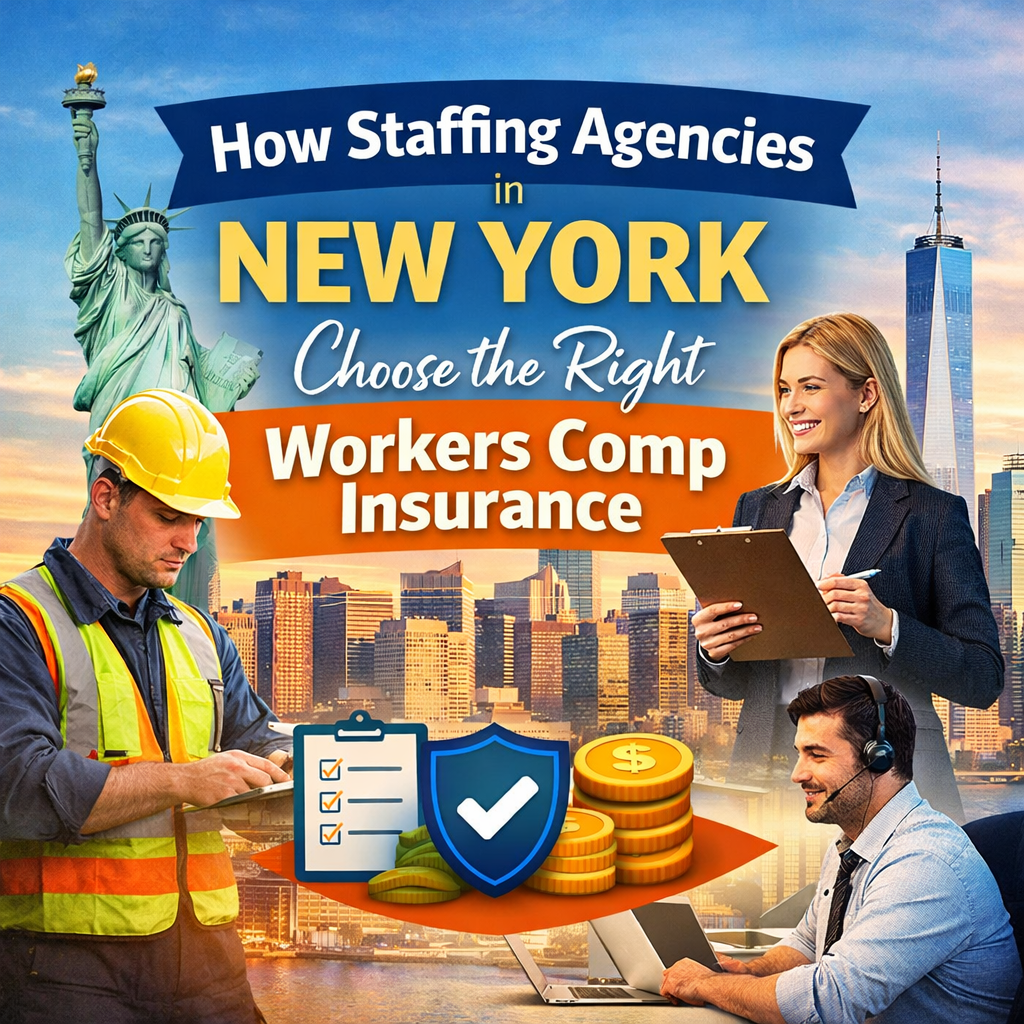
Protecting Your Business and Your People with Reliable Workers’ Comp Solutions At Coastal Work Comp, we understand the unique challenge face when it comes to securing comprehensive and affordable workers’ compensation coverage. We specialize in crafting tailored insurance solutions designed to meet the specific needs of workers compensation for staffing agencies in New York, offering unmatched peace of mind and protection. Why Choose Coastal Work Comp for Your Staffing Agency’s Workers’ Compensation? Dedicated Expertise: Our team of experienced professionals possesses in-depth knowledge of the staffing industry and the intricate requirements for workers’ compensation coverage in New York. Competitive Rates: We leverage our strong relationships with leading insurance carriers to negotiate the most competitive premiums for your staffing agency. Comprehensive Coverage: To shield your contract workers and permanent staff from diseases and injuries sustained at work, we provide a variety of coverage alternatives. Personalized Service: Throughout the claims process, we are dedicated to providing individualized attention and prompt assistance. Risk Management Solutions: We go beyond insurance, offering a suite of risk management tools and resources to help you minimize workplace hazards and reduce claims costs. Benefits of Workers’ Compensation for Staffing Agencies: Shields your company from financial obligations: Coverage for Workers Compensation for Staffing Agencies in New York guarantees that your staffing company won’t have to pay for lost income, medical bills, or other costs related to employee illnesses or injuries. Draws in and keeps elite talent: By providing qualified workers with a sense of security and peace of mind, competitive workers’ compensation benefits can help you draw in and keep competent staff. Maintains compliance with state law: New York requires all employers, including staffing agencies, to carry workers’ compensation insurance. Partner with Coastal Work Comp Today! Streamlined Administration: You are always able to monitor your policy, file claims, and get pertinent documents through our easy-to-use online interface. You may concentrate on your main company while we take care of all the paperwork and administrative duties related to Workers Compensation for Staffing Agencies in New York. We offer flexible payment options to meet your budgetary needs. Claims Management Expertise: Our experienced claims specialists prioritize the well-being of your employees, ensuring they receive prompt and efficient medical care. We advocate for your interests and work diligently to resolve claims fairly and expeditiously. We provide ongoing communication and updates throughout the claims process, keeping you informed every step of the way. Comprehensive Risk Management Solutions: We conduct on-site safety assessments to identify and address potential hazards in the workplaces your employees are assigned to. We provide safety training and educational resources to help your employees develop safe work practices. We offer a comprehensive loss control program to help you prevent accidents and reduce claim frequency and severity. Industry-Leading Technology: Modern technology helps us to operate more efficiently and ensures that your claims are handled promptly and accurately. We provide real-time analytics and claim data so that you may identify trends and develop effective risk management strategies. Ongoing investments in technology enable us to maintain a competitive edge and deliver optimal service to our clients. Dedicated Support: A dedicated account manager who is well-informed about your company and readily available to address any inquiries will be at your disposal. Customer service is accessible around the clock to guarantee that you can consistently obtain the necessary assistance. To foster long-lasting relationships, we are dedicated to providing individualized service that surpasses expectations for each client. Choose Coastal Work Comp for all your needs and enjoy: Peace of mind: Knowing your business and employees are protected. Improved efficiency: Streamlined administrative processes and expert claims management. Reduced costs: Competitive premiums and proactive risk management strategies. Enhanced employee satisfaction: Comprehensive benefits and a focus on workplace safety. Contact Coastal Work Comp today and let us help you build a safer and more successful.

Introduction Work compensation, a vital aspect of employee welfare, is particularly significant for Workers Compensation For Staffing Agencies Georgia. These agencies, which cater to a diverse range of industries, must adhere to Georgia’s specific work compensation laws to protect their workforce. Coastal Work Comp is crucial in aiding these agencies as a dedicated service provider. Overview of Georgia’s Work Compensation Laws Georgia law mandates that all employers, including staffing agencies, provide work compensation insurance. This coverage is essential for protecting temporary employees against work-related injuries or illnesses. Understanding Georgia’s Work Compensation Laws Mandates that all employers, including staffing agencies, provide work compensation insurance. This insurance covers medical expenses, lost wages, and rehabilitation costs for employees who suffer work-related injuries or illnesses. Coastal Work Comp helps staffing agencies navigate these requirements with tailored insurance solutions. Key Components of Work Comp for Staffing Agencies in Georgia Mandatory Coverage In are legally required to provide work compensation insurance. This covers all temporary employees, ensuring protection against workplace accidents or illnesses. Medical Benefits Work comp policies cover all necessary medical treatments related to work-related injuries. This includes hospital visits, medications, and any required rehabilitation services. Income and Wage Replacement Benefits Must ensure that their work comp plans provide income benefits. These are designed to compensate employees for lost wages if they cannot work due to work-related injuries or illnesses. Rehabilitation and Retraining Benefits Work comp insurance provides rehabilitation and retraining benefits if an employee cannot return to their previous role due to their injury. This aids in the employee’s return to the workforce, either in their original position or a new role. Death Benefits In the unfortunate event of a work-related death, the work comp policy offers death benefits. These benefits provide financial support to the dependents of the deceased employee. Employer’s Liability This component of work comp insurance protects staffing agencies against lawsuits from injured employees. It covers legal fees and any awarded settlements up to the policy limits. Flexible and Customizable Policies Given the diverse nature of temporary work, Worker’s Compensation For Staffing Agencies in California need flexible work comp policies that can be tailored to various job types and risk levels. Challenges of Work Comp for Staffing Agencies in Georgia Diverse Workforce and Risk Assessment Staffing agencies in Georgia often place employees in various industries, each with unique hazards. Accurately assessing and managing these risk levels for different job placements is a significant challenge. Regulatory Compliance Staying updated with Georgia’s work comp laws and ensuring compliance is complex, given the frequent legislative changes and industry-specific regulations. High Employee Turnover The transient nature of the staffing industry, with its high turnover rates, complicates the management of work comp policies, claims processing, and tracking each employee’s coverage status. Claim Management and Fraud Prevention Efficiently managing claims while also preventing fraudulent claims is a delicate balance. Workers Compensation For Staffing Agencies Georgia need to have robust systems in place to handle legitimate claims swiftly and identify potential fraud. Cost Management Balancing the cost of comprehensive work comp insurance with the need to remain competitive in pricing is a critical challenge, particularly for smaller staffing agencies with limited financial resources. Employee Education and Safety Training Ensuring that temporary employees understand their rights and responsibilities under work comp and providing adequate safety training for diverse job roles is an ongoing task. Coastal Work Comp’s Role in Streamlining Work Compensation Coastal Work Comp specializes in providing customized: Tailored Insurance Plans: Crafting insurance plans that meet the specific needs of diverse temporary workforces. Risk Management Advice: Guiding agencies in implementing safety protocols to reduce workplace injuries. Claims Management Assistance: Ensuring efficient handling and processing of compensation claims. Regulatory Compliance Support: Keeping staffing agencies compliant with Georgia’s work compensation laws. Importance of Efficient Work Compensation Management Effective management of for several reasons: We are ensuring Employee Safety and Welfare: Protecting temporary workers’ health and financial stability. Maintaining Legal Compliance: Adhering to Georgia’s work compensation mandates to avoid legal repercussions. Financial Risk Mitigation: Protect the agency from potentially substantial financial liabilities due to workplace accidents. Reputation Management: Building a reputation as a responsible employer is crucial for business growth. Effective Management of Work Compensation For to manage work compensation effectively, several strategies are crucial: Tailored Insurance Plans: Adopting policies that cater to diverse employee needs and work settings. Risk Assessment and Management: Implementing proactive measures to minimize workplace injuries. Efficient Claims Processing: Streamlining the handling of compensation claims for quicker resolution. Staying Informed on Legal Changes: Keeping abreast of updates and changes in state laws and regulations. Conclusion: For, managing work compensation effectively is a cornerstone of their responsibility towards their employees. With the complexities of catering to a dynamic and diverse workforce, partnering with specalized service providers like Coastal Work Comp can be invaluable. By ensuring robust coverage, compliance with state laws, and efficient claims management, staffing agencies can focus on their core business objectives while fostering a safe and secure working environment for their temporary staff.

Introduction Worker’s compensation is a crucial part of the work scene, especially for staffing organizations in California. Workers Compensation for Staffing Agencies in California is essential for staffing agencies, to ensure legal compliance and employee protection. This system covers work-related injuries or illnesses, which is crucial in the dynamic staffing industry. These agencies, which provide workforce solutions across various industries, must navigate the complexities of worker’s compensation laws to ensure both compliance and protection for their temporary employees. This guide offers detailed insight into the critical aspects of focusing on the services provided by Coastal Work Comp. Understanding Worker’s Compensation in California Is an obligatory protection program that benefits workers with work-related wounds or diseases. This framework depends on a no-shortcoming guideline, implying that employees don’t have to demonstrate the business’ carelessness to get benefits. Critical Components of California’s Worker’s Compensation Law: Health care: Covers generally a fundamental clinical treatment for business-related wounds or diseases. Benefits for Temporary Disabilities: Provides employees who cannot work due to illnesses or injuries. Permanent Disability Benefits: Compensates employees who suffer lasting effects from their injuries. Supplemental Work Dislodging Advantages: Offers vouchers to help harmed laborers retrain or upgrade their abilities if they can’t return to their past positions. Benefits on Death: Gives monetary help to the wards of a specialist who kicks the bucket from a business-related injury or sickness. Challenges for Staffing Agencies in Managing Worker’s Compensation Face unique challenges in managing worker’s compensation due to their temporary and diverse workforce. These challenges include: High Turnover: Frequent changes in the workforce can lead to administrative complexities. Diverse Work Environments: Temporary employees work in various settings, each with its risks and safety protocols. Diverse Work Settings: Employees are placed in various work environments with different risk factors. Compliance with State Laws: Staying updated with California’s ever-changing worker’s compensation laws. Role of Coastal Work Comp in Supporting Staffing Agencies Coastal Work Comp provides specialized services to help agencies manage these challenges: Customized Insurance Plans: Tailored to various temporary employment scenarios. Risk Management: Guidance on implementing effective safety protocols. Claims Management: Streamlining the process for efficiency and compliance. Regulatory Assistance: Ensuring adherence to California’s legal requirements. Cost-Effective Solutions: Balancing coverage needs with budget constraints. How Coastal Work Comp Can Assist Staffing Agencies Coastal Work Comp specializes in providing worker’s compensation solutions tailored to the unique needs of California. Their services include: Customized Insurance Plans: Coastal Work Comp offers tailored insurance plans that cater to the specific needs of staffing agencies, ensuring comprehensive coverage for all types of temporary employees. Risk Management Consultation: They provide expert advice on risk management, helping to implement adequate safety protocols and reduce the likelihood of work-related injuries. Claims Management Support: Coastal Work Comp assists in efficiently handling claims, ensuring injured workers receive timely benefits, and reducing the administrative burden on the agency. Regulatory Compliance Assistance: They offer guidance on compliance with state laws, ensuring staffing agencies adhere to all legal requirements in worker’s compensation. Cost-Effective Solutions: Coastal Work Comp provides cost-effective worker’s compensation insurance, helping Workers Comp for Staffing Agencies in California manage expenses while ensuring robust coverage. Importance of Effective Work Compensation Management Effective management of work compensation is crucial for staffing agencies to ensure: Employee Protection: Safeguarding temporary workers against the financial impacts of workplace injuries. Legal Compliance: Meeting state-mandated insurance requirements. Financial Stability: Protecting agencies from costly lawsuits and employee compensation claims. Reputational Integrity: Maintaining a positive image as a responsible and caring employer. Conclusion: Navigating worker’s compensation laws is vital for Workers Compensation for Staffing Agencies in California. For staffing agencies in California, navigating the complexities of worker’s compensation is crucial for legal compliance and temporary workforce protection. Partnering with experienced service providers like Coastal Work Comp can significantly ease this burden, offering customized solutions, expert guidance, and support in claims management. By understanding the nuances of Workers Compensation for Staffing Agencies in California laws and leveraging the expertise of specialized providers, staffing agencies can ensure a safer and more compliant working environment for their temporary employees. This approach protects employees and strengthens the operational foundation of staffing agencies in this dynamic industry.

Within the dynamic scene of modern New York’s quickly developing sun-based industry, the compensation of sun-powered laborers takes center stage. This article explores how Coastalworkcomp, a key player surrounded by state, successfully shapes and pioneers recompense techniques to enable and back the sun-based workforce, from exploring administrative elements to prioritizing the human component and grasping future-forward patterns. This in-depth investigation goes further into the one-of-a-kind tactics and life-changing features that distinguish Solar Workers Comp in New York. Coastalworkcomp effect amplifies past exchanges, enlightening a way for Solar Workers Comp in New York to advance the vitality division of modern York. As New York continues its renewable energy, coastalworkcomp emerges as a leader actively navigating the complex terrain of solar workers comp in New York. Focus on Individualization In the realm of solar workers comp in New York, CoastalWorkComp sets itself apart through precision and a focused commitment to individualization. This section explores how the company’s approach goes beyond conventional compensation strategies, tailoring solutions to meet the unique needs of each solar professional in the diverse and dynamic landscape of New York’s solar industry. Precision in Compensation Planning CoastalWorkComp employs a precise and meticulous approach to compensation planning, recognizing that a one-size-fits-all strategy may not suffice in the diverse solar sector of New York. By carefully assessing the specific roles, skills, and contributions of individual workers, the company ensures that compensation packages are finely tuned to align with the intricacies of each professional’s responsibilities. Tailoring Compensation to Roles and Responsibilities Recognizing the diversity of roles within the solar industry, CoastalWorkComp tailors compensation packages to the specific demands of each position. From installers to engineers, precision in compensation planning ensures that each Solar Workers Comp in New York is fairly remunerated based on their unique contributions to the industry in New York. The Dominance of the Nearby Look Solar Workers Comp in New York Nearby Look’s dominance in Solar Workers Comp in New York is characterized by a multifaceted approach that prioritizes both precision and a focus on individualization. The company’s strategic positioning has solidified its reputation as a leader, influencing the industry’s compensation practices in New York. Through meticulous market analysis, the company ensures that its compensation packages not only meet but exceed industry norms, setting a benchmark for fair and competitive remuneration within New York’s solar sector. The company recognizes the diverse roles and challenges within the industry, crafting individualized packages that acknowledge the specific contributions of solar professionals in the state. By focusing on individualization, Nearby Look gains a competitive edge. The company actively engages with them, understanding their aspirations and concerns and tailoring compensation structures accordingly. This commitment to individualized packages ensures that Nearby Look remains a preferred choice for solar professionals seeking personalized and meaningful compensation in New York. CoastalWorkComp impact on industry trends is palpable, with the company setting new standards for comprehensive benefits. Beyond traditional wages, CoastalWorkComp actively negotiates health benefits, flexible work arrangements, and professional development opportunities, pioneering a holistic approach to well-being within Solar Workers Comp in New York. The company’s influence isn’t limited to its practices; it actively shapes broader industry trends, prompting other players to adapt and elevate their compensation strategies. Some knowledgeable key features and points: Precision in Benchmarking Standards: CoastalWorkComp sets a high standard in Solar Workers Comp in New York by meticulously benchmarking industry standards. The company ensures that compensation packages align with and surpass the prevailing norms in the vibrant sector of Solar Workers Comp in New York. Tailored Compensation Solutions: CoastalWorkComp stands out by tailoring compensation solutions to meet the unique demands of New York’s diverse solar industry. Recognizing the varied roles within the sector, the company crafts individualized packages that acknowledge and reward the specific contributions of each solar professional. Focus on Individualization: CoastalWorkComp distinguishes itself through a keen focus on individualization. Actively engaging with Solar Workers Comp in New York, the company understands its career aspirations and concerns, creating compensation structures that resonate with the unique needs of each professional. This approach fosters a sense of value and appreciation among the workforce. Influence on Industry Trends: CoastalWorkComp’s influence extends beyond its practices, actively shaping broader industry trends. The company’s commitment to innovation prompts other players in the Solar Workers Comp in New York to adapt and elevate their compensation strategies, contributing to an evolving and competitive landscape. Pioneering Comprehensive Benefits: CoastalWorkComp pioneers trends in offering comprehensive benefits that go beyond traditional wages. The company actively negotiates health benefits, flexible work arrangements, and professional development opportunities, setting a precedent for a holistic approach to well-being within the solar workers comp in New York. Positive Impact on Worker Satisfaction: The dominance of CoastalWorkComp translates into high levels of worker satisfaction. Solar professionals in New York favor the company not only for its competitive compensation but also for the supportive and empowering environment it cultivates. CoastalWorkComp’s positive impact contributes to a satisfied and motivated solar workforce. Community of Empowered Professionals: CoastalWorkComp’s influence creates a positive ripple effect within the industry, fostering a community of satisfied and empowered solar professionals. Testimonials from workers highlight the transformative impact of CoastalWorkComp’s approach, solidifying the company as a leader in cultivating a positive and thriving solar workforce in New York. Conclusion In conclusion, CoastalWorkComp stands as a guide to advancement and greatness within the domain of sun-based specialist emoluments in modern York. The company’s commitment to exactness, individualization, and spearheading comprehensive benefits sets it apart as a pioneer within the industry. CoastalWorkComp’s impact amplifies past its possess hones, effectively forming industry patterns and inciting a collective height of emolument procedures inside the dynamic Solar Workers Comp in New York. The custom-fitted stipend arrangements created by CoastalWorkComp, alongside its center on individualization, cultivate a sense of esteem and appreciation among sun-based experts. The positive effect on laborer fulfillment makes a swell impact, developing a community of enabled experts who recognize CoastalWorkComp as a driving constraint in their victory. As an overwhelming player, CoastalWorkComp not only benchmarks tall benchmarks but also effectively

Solar worker comp in Delaware insurance is here. We are the competent company to serve you with the best services. Lastly, a recorded safety program may assist in reducing workers’ compensation expenses. Maintaining a cheap premium is possible thanks to a safer workplace with fewer incidents. We care about our customers. So, we always prefer the maximum benefit for them. What would be the death benefit if the worker was fully responsible for maintaining the dependent? It would be two-thirds of their typical wage. This perk would go to all qualified dependents. At CoastalWorkComp, you will receive the highest Solar Worker Comp in Delaware. Any individual other than a survivor spouse or child is subject to a yearly review of the benefit cap, which is a set financial amount. A sum of $7,000 is available to cover burial costs for employees of Delaware whose estates qualify. The existence or absence of dependents on the part of the worker who passed away does not affect the payment of this. Get medical help for the Solar Worker Comp in Delaware: Get medical help right away; that’s the number one priority. A medical examination is required for all claims, regardless of how little the discomfort may be. The next step is to write out a formal report and send it to your boss no later than 30 days after the accident (or a sick day, if that applies). Even if your employer is aware of your injury, you must still complete this step since it is essential. Be sure to mention the exact time, place, and circumstances of the accident in your account. After that, you may expect your employer to provide you with the documents and instructions you need. Summarizing the main points, “Pioneering Compensation Solutions in Delaware” highlights CoastalWorkComp’s groundbreaking contributions to the development of solar worker compensation solutions in the state. My first point is that after you install the solar panels, you must increase the value of your house insurance coverage. In particular, regarding the coverage of Solar Worker Comp in Florida. To help our experts determine the best option to include this beneficial coverage in your portfolio at the most affordable cost, Before we can advise you on how to add the necessary extra responsibility at a reasonable price to your existing home insurance policy, we need to see the policy as a whole. Someone from our Solar Liability Department will get in touch with you once you fill out the form below to begin the assessment and quote process. Secure a minimum of $1 million in CoastalWorkComp for general liability or a homeowner rider, which will address losses to third-party property and individuals resulting from the facility’s operation. Unfortunately, the specifics of each utility company’s interconnection agreement may be unknown to a large number of prospective new consumers. Having enough solar panel liability insurance is necessary. Under the umbrella term “umbrella policy,” you’ll find personal liability policies (PLPs). PLPs go beyond the boundaries of standard liability coverage in your house and car insurance policies by adding an extra layer of protection. CoastalWorkComp Services: You would have sufficient insurance coverage if your solar system caused harm or death to another person. Personal responsibility may ensue if the injured party’s damages go beyond the limitations of your insurance coverage. Garnishment of income, reduction of retirement savings, liens on property, and judgments may all have consequences for a party without sufficient insurance coverage. Fearing liability in the event of a catastrophe is a major concern for utility providers. Accordingly, these requests allay their fears. But, as said before, your solar system does not pose any threat. Utilities impose these stringent safety measures on their consumers. If any problem hits, then solar worker comp in Delaware is here. It is a kind of solar worker comp in Delaware that CoastalWorkComp provides. You or an employee will have their missed pay supplemented if you or they require time off work to recover. Conclusion Another factor that affects prices is the level of coverage that the insured chooses. Typically, premiums will be more for larger coverage of solar worker comp in Delaware limits and extra coverage alternatives, but they provide better protection. This is the reason that most people in Delaware prefer our company, CoastalWorkComp and they get superb compensation, of course. Insurance policies tailored to solar system distributors and retailers may not be the best fit for an installation-only solar firm. That way, they won’t have to worry about taking on tasks that the insurance doesn’t cover. So, visit us!

At CoastalWorkComp, we can accommodate any class code, premium size, or experience modification factor. However, your staff may still face unanticipated dangers, no matter how careful you are. That’s when you want to double-check that you have the most comprehensive solar worker comp in Florida. While each state has its insurance mandate, there is significant variation across solar worker comp in Florida plans and providers. Here at CoastalWorkComp, we’ve thought of everything, and our all-inclusive plan covers medical expenses and more. Insurance for Solar Worker Comp: Carrying one million dollars in liability coverage is mandatory when installing a Tier 2 solar panel. To make sure your existing insurance policy covers Solar Worker Comp in Florida liability, you should contact your insurance provider at CoatalWorkComp. Property Coverage Solar panel physical damage is often not covered by insurance carriers. The Solar Worker Comp in Florida insurance agents at CoastalWorkComp Insurance Services can assist you in obtaining either complete coverage or the minimal level of coverage that is required by law. After we get to know you and your requirements, we’ll compare insurance rates from leading providers. We will begin the process of locating the most suitable solar panel insurance coverage as soon as you contact us. New Finest Solar Insurance Policies Are Available From Us Among the solar energy industry’s leading strategists in Florida, CoastalWorkComp offers affordable, all-inclusive insurance to enterprises of all stripes. So you can confidently expand your company, our staff works directly with customers to create plans that provide optimum protection and peace of mind. Solar Worker Comp in Florida provides adaptable plans with convenient payment options since we know that cost is a major consideration when shopping for solar insurance. If you want to take advantage of our cheap prices and great customer service while finding the ideal insurance solution for your budget, our knowledgeable staff is here to help. We are here to provide the finest coverage for your Florida-based activities, whether you need it for solar manufacturing, solar energy installation, or company liability. For additional information on our solar energy insurance options and to begin the process of achieving complete protection, contact us now at CoastalWorkComp for Solar Worker Comp in Florida. Does anyone in Florida require solar insurance? Complete insurance coverage is a must for any Solar Worker Comp in Arizona that owns, installs, operates or maintains solar energy installations. Among them are: Companies that make solar panels and components. Professionals in the solar energy industry. Power Sources for Photovoltaic Cells (PV). Investors and project managers. Solar Power System Distributors and Sellers. Professionals in the fields of electrical engineering, architecture, and consulting who own commercial properties with solar systems installed. Solar Power Lease Businesses. Utility Businesses That Run on Solar Energy. Solar Power Engineering, Installation, and Upkeep. Services for cleaning solar panels. Individuals who own homes and have installed solar panels. Property Owners Who Have Solar Panels Installed on Their Roofs or the Ground. Verifiers of solar power systems. If your Solar Worker Comp in Florida company is located near a solar energy system but does not own or install solar panels, you may still be required to get solar insurance. Some examples are: Companies Situated Close to Solar Power Plants Supervisors of Real Estate or Maintenance Businesses that install solar panels Utility companies and electricians Specialists in Cleaning and Repairing Solar Energy Systems Examiners and Upkeep Workers on Solar Farms or Huge Solar Power Plants Producers, assemblers, and distributors of solar energy systems It is critical to safeguard your organization against solar energy-related threats, regardless of your industry. Who provides insurance that is solar-friendly for Solar Worker comp in Florida? An insurance company that is solar-friendly acknowledges the value of solar power and provides affordable protection for your solar array. Solar panels may incur additional costs or be completely uninsured by certain insurance companies. Others may pay for the panels if you own them yourself, rather than having a third party finance or lease them. In contrast, solar-friendly insurance companies will cover your Solar Worker Comp in Florida at a reasonable price and won’t discriminate based on how you got it. In the event of a loss, they will compensate you according to the solar system’s replacement value, not its depreciated worth. Solar panels on a roof will not trigger an increase in or cancellation of your insurance. Where can I get Florida insurance that is solar-friendly? Not all Florida insurance companies are forthright about their rules and pricing for solar systems, so it might be difficult to find one that is solar-friendly. To get the best pricing, you may need to shop around and compare estimates from other carriers. Additionally, you should inquire about your current carrier’s solar coverage or, if they are not solar-friendly, look into switching to a different one. You should search for the company with the best solar Worker Comp in Florida, which is Solar CoastalWorkComp. Conclusion To save you time and effort, we have collected the names of many Florida insurance companies that are known to be solar-friendly from our personal experience and the comments of our clients about our solar worker comp in Florida services. Our company is well-known for its favorable views on solar energy and its extensive and reasonably priced coverage of solar systems.

At CoatalWorkComp, we have designed an all-inclusive plan that takes care of medical expenses and more for Solar WorkComp in Arizona. The following are a few aspects of the strategy: Minimizes Unrecognized Expenses Related to Solar Worker Comp in Arizona Claims. Injured workers may rely on our A+-rated carriers to provide them with the high-quality medical treatment they need to go back to work as soon as possible. When you enroll in our solar worker comp in Arizona, we will provide these services: Case Managers for Registered Nurses: Ensuring that your workers get timely and adequate treatment is the primary emphasis of these experienced case managers. They help keep the wounded worker, their doctor, and their employer all focused on what’s best for everyone involved in the conversation. Networks of Healthcare Providers Your hurt workers will have access to doctors who specialize in treating injuries sustained on the job thanks to CoastalWorkComp with which our insurance carriers have negotiated. Their priority is getting workers back to work as quickly as possible. Review of Medical Bills In order to prevent fraud and guarantee accuracy, we review all workers’ compensation medical bills. By cutting costs in this way, you may lower your Solar Worker Comp in Arizona premium. Avert Financial Setbacks Preventing events from happening is the best approach to decreasing Solar Worker Comp in Arizona. If you’re looking for advice on how to make your business safer, more efficient, and more profitable in the long term, our loss Control specialists are here to help. Inquire with your agent about the details of loss control. Provides Flexible Payment Options: We make it easy for you to pay for Solar Worker Comp in Arizona insurance as well. You may enjoy the flexibility of spreading your payments over time for a modest installment cost. The BOP, or business owner policy, is an insurance program that lets you tailor your commercial insurance coverage to your company’s unique requirements and goals. You may choose from a variety of property and asset protection choices with this insurance, which also covers general liability. Commercial auto insurance protects solar company owners from financial ruin in the event of an accident involving their vehicles. It extends coverage to any car you use for work, whether the company owns it or not. Getting Solar Worker Comp in Arizona is the safest option, yet the repercussions of being uninsured could differ from state to state. Considered crucial for every organization, general liability insurance lessens the likelihood that your solar company might go bankrupt in the event of an accident. Having business liability insurance protects against financial hardship in the event of an accident, injury, or damage to property. Owners of solar energy companies need to know that their insurance policies cover all the bases. Insurance policies tailored to solar system distributors and retailers may not be the best fit for an installation-only solar firm. As a result, contractors need to check their policies thoroughly for any questionable exclusions that might affect their operations. That way, they won’t have to worry about taking on tasks that the insurance doesn’t cover. There has been a dramatic increase in the number of available solar jobs in Arizona. This calls for a solid framework to protect the interests and safety of solar workers. Solar Worker Comp in Georgia is essential since it covers medical expenses and financial losses in the event of an accident or sickness on the job. The Knowledge of CoastalWorkComp For more than 20 years, CoastalWorkComp has been a frontrunner in the insurance business, offering complete solutions to clients. Their dedication to learning about the solar industry’s specific requirements allows them to provide personalized coverage options that go above and beyond what is typically available. Kinds of Cases Involving Workers’ Compensation: Examples of such ailments are carpal tunnel syndrome and leg difficulties, both of which develop gradually as a result of prolonged physical stress on the job. In the case of an accident sustained while on the job, the purpose of the Solar Worker Comp in Arizona Act is to safeguard both the business and its employees. Guaranteed medical treatment for injuries sustained on the job, as well as, in many situations, continued financial support while the injured worker recovers, are both provided under Arizona workers’ compensation legislation. You can confidently defend your position with the help of our skilled Arizona workers compensation attorneys. Conclusion: To protect themselves financially in the case of an accident or injury, solar businesses should have all of the aforementioned insurance policies. Legal representation in cases involving solar worker comp in arizona, medical review firms that aid them in their practice, and insurers in this area are all aware that such coverage is not only beneficial but also required by law

There are many variations of passages of Lorem Ipsum available, but the majority have suffered alteration in some form, by injected humour, or randomised.