
Construction Workers Compensation involves many daily risks. Workers may use heavy tools, operate machines, climb ladders, or work at height. Accidents can happen even when a company follows proper safety steps. Workers compensation insurance helps protect construction businesses and their employees after work-related injuries. However, many construction business owners still have wrong ideas about this coverage.
These misconceptions can lead to poor insurance decisions. They can also create financial problems when an employee suffers an injury. In this guide, we will explain common misconceptions about workers compensation insurance for construction industry businesses. Coastalworkcomp helps businesses understand their coverage needs and make better insurance choices.
What Is Workers Compensation Insurance?
Workers compensation insurance helps employees after work-related injuries or illnesses. Coverage can help with approved medical costs and lost wages. It can also provide benefits when an employee cannot work because of a covered injury. Some policies may provide other benefits based on state rules.
Workers compensation requirements can differ between states. Business owners should understand the rules that apply to their location. Construction companies should review their insurance needs regularly. Changes in employees, payroll, jobs, and work types can affect coverage needs.
Common Misconceptions About Workers Compensation Insurance
Many construction companies hear different opinions about workers compensation insurance. Some information may come from friends, contractors, or other business owners. Not every statement about insurance is correct. Let us look at some common misconceptions.
Misconception 1: Workers Compensation Is Only for Large Construction Companies
Some small contractors believe workers compensation only matters for large companies. This belief can create serious problems for small construction businesses. Even a small construction company can face workplace injuries. One employee injury may create large medical and wage-related costs.
State laws may also require certain employers to carry workers compensation insurance. The rules can depend on employee numbers and business type. Small businesses should not assume they are automatically exempt. They should check their state requirements before making insurance decisions.
Misconception 2: Safe Construction Companies Do Not Need Workers Compensation
Safety should always remain a major priority. However, safety procedures cannot remove every workplace risk. Employees can still suffer injuries despite proper training and safety equipment. Accidents can happen during normal construction tasks.
A worker could fall, suffer a back injury, or get hurt while using equipment. Weather conditions can also create unexpected risks on job sites. Workers compensation insurance provides financial protection when covered workplace injuries occur. Safety and insurance should work together.
Misconception 3: Workers Compensation Covers Every Injury
Workers compensation does not automatically cover every injury. Coverage usually focuses on injuries connected to employment. The exact rules depend on state law and the insurance policy. Certain claims may require additional review.
For example, an injury that happens during personal activities may not qualify. Employers should report workplace injuries according to state and policy requirements. Business owners should never assume that every injury receives benefits. They should review their policy and speak with an insurance professional.
Misconception 4: Workers Compensation Is the Same in Every State
Workers compensation rules can vary from one state to another. Each state may have different requirements and procedures. States can set different rules for employer coverage. They may also use different systems for handling workers compensation claims.
Construction businesses working across several states need extra attention. Their coverage should address their operations in each required location. Coastalworkcomp can help construction businesses review their workers compensation needs. Proper guidance can help reduce confusion around different state rules.
Misconception 5: Workers Compensation Only Pays Medical Bills
Many people think workers compensation only covers medical treatment. That is not always the full picture. Approved workers compensation benefits may also help replace part of lost wages. Additional benefits may apply in certain situations.
The benefits available depend on state law and the specific claim. Policy terms can also affect how coverage works. Construction employers should understand what their policy can provide. Clear knowledge helps employees and employers handle workplace injuries more effectively.
Misconception 6: Contractors Never Need Workers Compensation Insurance
Some construction companies use independent contractors for different projects. Business owners may assume these workers never create insurance concerns. That assumption can cause problems. Worker classification rules can differ between states and situations.
A person called an independent contractor may not always receive that classification under applicable rules. The actual work relationship can matter. Construction businesses should carefully review worker classifications. They should also discuss their contractor arrangements with an insurance professional.
Misconception 7: Workers Compensation Insurance Is Always Too Expensive
Cost concerns often stop construction businesses from exploring proper coverage. However, insurance costs can vary for many reasons. Factors may include payroll, employee duties, business classification, claims history, and location. The type of construction work can also affect rates.
A business should compare coverage options before deciding that insurance costs too much. Cheaper coverage may also provide less protection. The goal should be suitable coverage at a reasonable cost. Businesses should focus on value instead of choosing a policy based only on price.
Misconception 8: One Workers Compensation Policy Fits Every Construction Business
Construction businesses perform different types of work. A roofing company has different risks than an electrical contractor. A general contractor may also face different risks than a concrete or masonry company. Employee duties can vary widely between businesses.
Insurance needs should reflect the actual work performed by employees. Accurate business information helps insurers assess the right coverage. Business owners should provide clear details about their operations. They should also update their insurer when their business activities change.
Misconception 9: Workers Compensation Eliminates Every Business Risk
Workers compensation insurance provides important protection. However, it does not protect a business from every possible loss. Construction companies may face other risks involving vehicles, equipment, property, customers, and completed work. Other insurance policies may address these risks.
Business owners should review their complete insurance plan. Workers compensation should form part of a wider risk protection strategy. A complete insurance review can help identify important coverage gaps.
Misconception 10: You Only Need Insurance After Hiring Employees
Some business owners wait until after hiring workers before reviewing insurance requirements. This approach can create unnecessary problems. Construction companies should understand insurance requirements before employees begin work. Early planning can help businesses avoid coverage gaps.
Businesses should also review their policies when payroll changes. New job types and additional workers may affect insurance needs. Planning ahead gives business owners more time to choose suitable coverage.
Why Construction Businesses Need Proper Workers Compensation Coverage
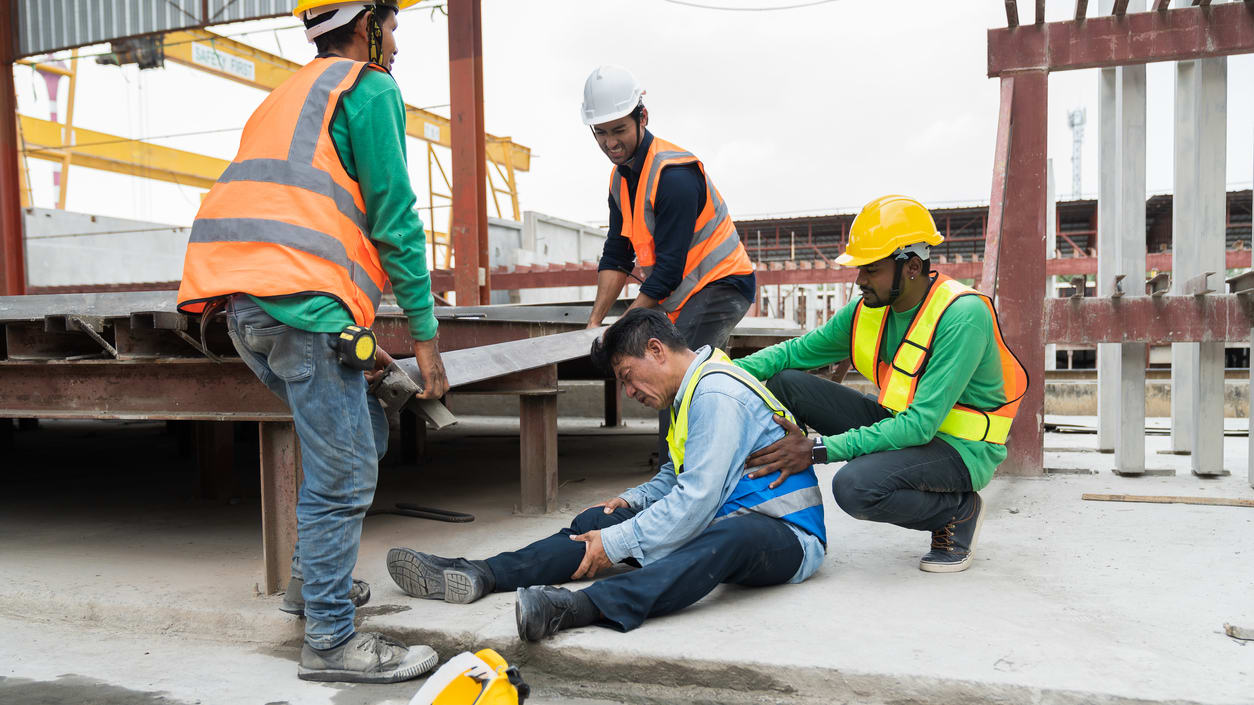
Construction sites can involve many hazards. Workers may handle tools, materials, vehicles, ladders, and heavy equipment. Even careful employees can experience unexpected accidents. A workplace injury can affect both the employee and the business.
Workers compensation insurance can provide important financial support after covered work-related injuries. It can also help businesses follow applicable insurance requirements. Proper coverage can give business owners greater confidence. Employees can also feel more secure when their employer maintains suitable protection.
Conclusion
Workers compensation insurance remains an important part of construction business protection. Many common misconceptions can lead business owners toward poor decisions. Small businesses need to understand their state requirements. Safe workplaces still need insurance protection against unexpected injuries.
Construction businesses should also review worker classifications and policy details. They should never assume that every business needs the same coverage. The right approach starts with accurate information. Business owners should understand their risks, compare suitable options, and review coverage regularly.
Coastalworkcomp can help construction businesses better understand workers compensation insurance. Contact the team to discuss your business needs and coverage options.