




Introduction Pay As You Go Worker’s Comp is revolutionizing the way businesses manage their worker’s compensation insurance premiums. With its real-time calculations, flexible payment schedules, and streamlined administration, it simplifies the process and improves cash flow management. Embrace this modern approach to worker’s comp coverage and discover the advantages it can bring to your business. With the right insurance provider as your partner, you can navigate the implementation process smoothly and optimize the financial and administrative aspects of your worker’s compensation program. Stay protected, simplify your operations, and ensure compliance with Pay As You Go Worker’s Comp. Upon buying WC insurance, you need to purchase sufficient coverage for every employee. But let’s face it. Your workforce changes all the time. There’s no guarantee you’ll still have the same number of workers six months from now. Since insurance companies tie WC coverage directly to your payroll, you may end up paying too much. Even worse, you could owe money at the end of the year. Neither situation is perfect for your bottom line. Understanding Pay As You Go Worker’s Comp Worker’s stipend protections are a basic component of any business’s hazard administration methodology. It gives budgetary security for representatives who endure work-related wounds or ailments. Be that as it may, conventional worker’s comp approaches regularly posture challenges for businesses, especially when it comes to premium installments. That’s where Pay As You Go Worker’s Comp comes in—an advanced approach that streamlines the method whereas advertising various points of interest. In this article, we’ll investigate what you wish to know almost Pay You Go Worker’s Comp and why it’s picking up ubiquity among businesses of all sizes. Instead of paying your premiums all at once, you make small payments whenever you run your payroll. This method ensures you only purchase coverage for active employees. If that isn’t enough to make you want to shift, there are several perks to pay-as-you-go. No more anxiousness about large down payments and hidden fees. And the annual audit will become a distant memory. Just think about what you’ll do with all the money you can save! What is Pay As You Go Worker’s Comp? Workers’ comp audits also detect fraud. Insurance fraud is common. Some employers will falsify information just to save a few bucks. But remember that fraud is illegal, and the auditors will catch you. It’s always best to present both sides of the argument. But when it comes to pay-as-you-go workers’ comp, the cons are few and far between. This modern way of paying for insurance coverage truly stands out of the crowd. All in all, pay-as-you-go helps small businesses more than it hinders them. And most owners don’t have anything negative to say about the system. Give it a try, and you’ll never want to pay lump-sum premiums again! A Revolutionary Approach to Premium Payments Pay As You Go Worker’s Comp is an innovative payment method that allows businesses to pay worker’s compensation insurance premiums in real-time, based on their actual payroll data. Unlike traditional policies that require upfront lump sum payments or monthly estimates, Pay As You Go Worker’s Comp offers a more flexible and accurate way to manage premium payments. By integrating with a company’s payroll system, it calculates premiums based on actual employee wages, eliminating the need for manual audits and reducing the risk of under or overpayment. Advantages of Pay As You Go Worker’s Comp When employers buy workers’ compensation, they want a policy that will cover all the jobs and employees in their company. Their provider will estimate the premiums based on the class codes, number of employees, and experience mod rating. But this practice does leave some room for error. In the end, you may pay the wrong amount. Pay As You Go Worker’s Comp speaks to a worldview move in how businesses oversee their worker’s remuneration protection premiums. Its adaptability, precision, and ease of organization make it an appealing alternative for businesses of all sizes. By aligning premium payments with actual payroll data, this innovative approach simplifies cash flow management, enhances accuracy, and reduces administrative burdens. Embrace the simplicity and benefits of Pay As You Go Worker’s Comp, and ensure your business is adequately protected while optimizing financial efficiency. Benefits for Businesses and Employees The more cash flow you have available, the more you can scale and grow your business. However, workers’ comp premiums can eat up a considerable chunk of your budget. And if you don’t pay enough throughout the year, you may end up with an unexpected bill from your insurance company. Enhanced Cash Flow Management: With Pay As You Go Worker’s Comp, businesses can align premium payments with their payroll cycles, ensuring better cash flow management. Instead of large upfront payments, premiums are spread out over the year, making it easier for businesses to budget and avoid financial strain. Accurate Premium Calculation: By integrating with payroll data, Pay As You Go Worker’s Comp calculates premiums based on real-time employee wages. This accuracy helps businesses avoid overpaying or underpaying for coverage, reducing the risk of costly audits or unexpected premium adjustments. Reduced Administrative Burden: Traditional worker’s comp policies often require manual audits, paperwork, and time-consuming administrative tasks. Pay As You Go Worker’s Comp streamlines these processes by automating premium calculations, eliminating the need for manual intervention, and freeing up valuable resources. Flexibility and Scalability: Pay As You Go Worker’s Comp is designed to accommodate the changing needs of businesses. As employee counts fluctuate or new hires join the team, the premiums adjust accordingly. Curious about the key elements fueling FinProFM’s success? Discover the full story here – FinProFM Expansion Plan . Their approach is setting new benchmarks in the trading world. This flexibility allows businesses to scale up or down without the hassle of policy revisions or additional paperwork. Improved Compliance: By automating premium calculations and payments, Pay As You Go Worker’s Comp helps ensure businesses remain compliant with worker’s compensation regulations. It minimizes the risk of penalties

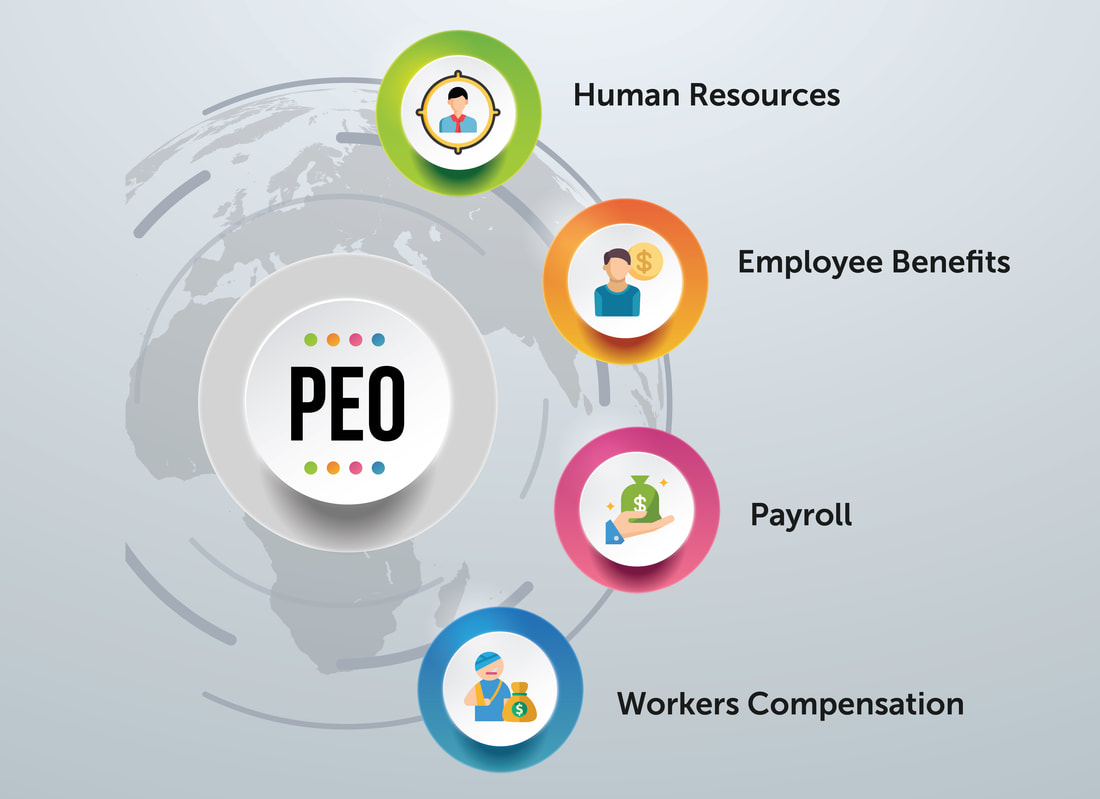
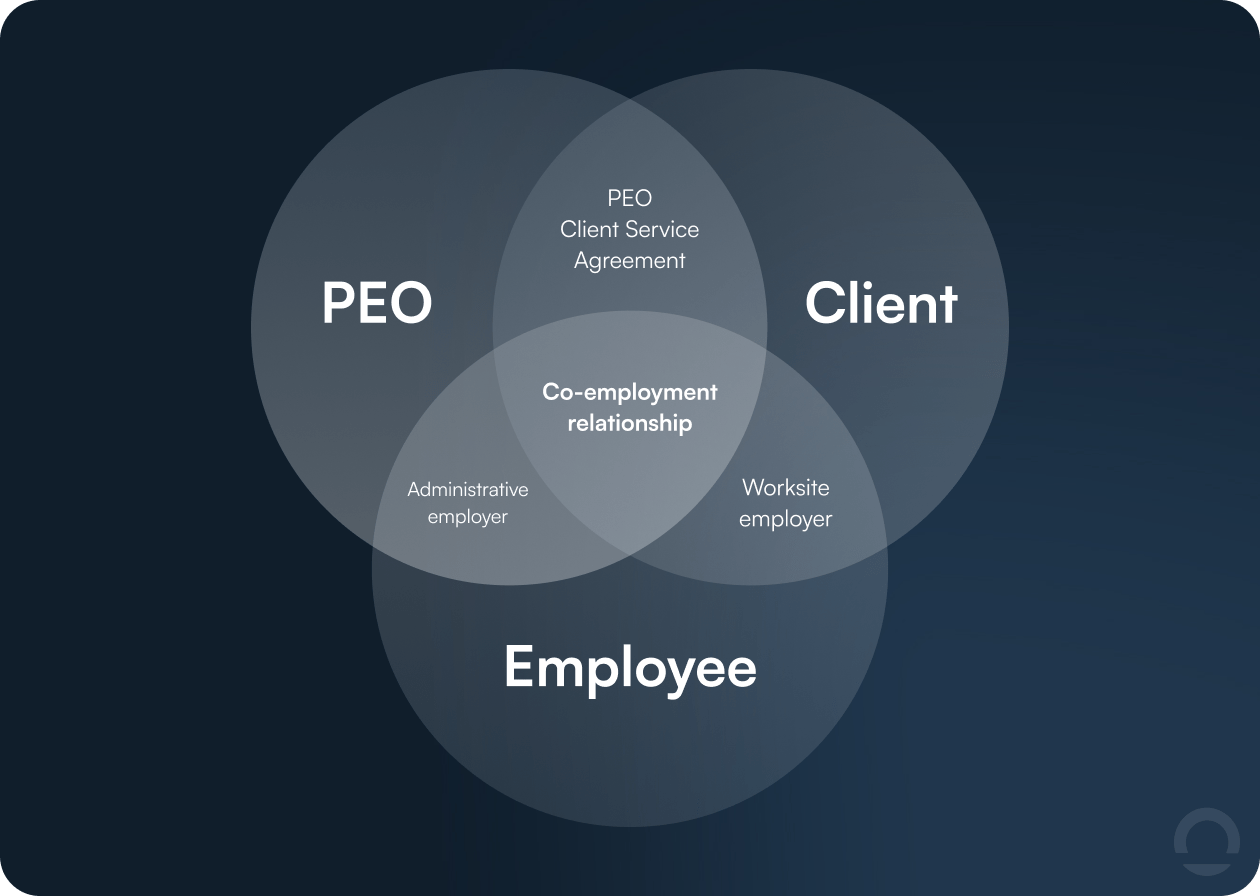
The Power of PEO Plans: Driving Business Success In today’s energetic trade scene, organizations are always looking for ways to streamline operations, boost representative fulfillment, and stay competitive. In the midst of this interest, Proficient Boss Organization (PEO) plans have developed as a game-changer for businesses of all sizes. Professional Employer Organizations plan to offer a comprehensive and cost-effective arrangement that enables businesses to center on their center competencies, whereas assigning fundamental HR and regulatory assignments to trusted specialists. With their numerous benefits, it is no wonder that PEO plans are witnessing a surge in popularity across industries. A PEO is a company that handles many of the administrative tasks for businesses. But working with a PEO is different than merely outsourcing these jobs to others. Instead, you enter into a co-employment relationship with the provider. PEO insurance carriers usually offer lower premiums than you can find elsewhere. And a pay-as-you-go plan will even get rid of the pesky annual audit. 1. Enhancing Organizational Efficiency Efficiency is the cornerstone of business success, and PEO plans are designed to optimize operational processes. By outsourcing critical HR functions such as payroll, benefits administration, and employee onboarding, businesses can offload time-consuming tasks and redirect their energy toward strategic initiatives. PEOs leverage their expertise and economies of scale to efficiently manage HR functions, ensuring compliance with regulations, reducing administrative burdens, and minimizing errors. This streamlined approach enables organizations to operate smoothly, maximize productivity, and achieve their business goals. You will continue to manage the daily operations of your company. But the PEO will take charge of other departments, including HR services and payroll. As an HR provider, a PEO will find your company the best and cheapest insurance options. They often specialize in companies that have a State Fund policy or gaps in their coverage. 2. Access to Expertise and Resources One of the key advantages of PEO plans is gaining access to a wealth of HR expertise and resources. PEOs specialize in providing HR services to multiple clients, allowing them to build a deep understanding of best practices, compliance requirements, and industry-specific regulations. This knowledge and experience translate into valuable support for businesses, helping them navigate complex HR challenges with ease. Besides, PEOs offer strong innovation stages, permitting organizations to use cutting-edge devices for HR administration, announcing, and analytics. This combination of skill and assets enables businesses to create educated choices, drive worker engagement, and remain ahead of the competition. Workers’ comp claims require a lot of skill and know-how to resolve. You want to make sure your employees get the compensation they need quickly, but insurance companies often drag their feet. If someone gets hurt at work, your PEO will jump into action immediately. They’ll file the necessary paperwork to ensure insurance covers the claim. Your injured employee will be able to focus on getting well. 3. Cost Savings and Risk Mitigation PEO plans offer significant cost savings for organizations. By consolidating HR functions, businesses can achieve economies of scale, accessing competitive rates for employee benefits, insurance coverage, and retirement plans. PEOs also assume the responsibility of managing payroll, tax filings, and regulatory compliance, minimizing the risk of penalties or legal disputes. The ability to pool resources and negotiate better rates ensures that businesses can provide attractive benefits packages to their employees, fostering loyalty and attracting top talent. Additionally, PEOs can assist with risk management, implementing comprehensive safety programs, and advising on compliance issues, mitigating potential liabilities for businesses. Smaller businesses often struggle to stay ahead of the game. You may have a tighter budget than larger entities. Hiring an in-house HR department may be out of the question. And as a business owner, you don’t have enough hours in a day to complete everything on your list. Scenarios like this are prime examples of how a PEO can help. 4. Scalability and Flexibility As businesses evolve and grow, scalability becomes crucial for sustained success. PEO plans offer the flexibility to adapt to changing organizational needs. Whether a business is expanding its workforce or downsizing, PEOs provide the necessary support to accommodate these transitions seamlessly. PEOs handle HR tasks efficiently, regardless of the company’s size or stage of growth. This scalability allows businesses to focus on strategic initiatives, explore new markets, and seize growth opportunities, without being burdened by HR complexities. Companies with only a few workers find it challenging to purchase affordable insurance. When you team up with a PEO, they can pool your employees with those from other clients. This tactic gives them more leverage when it comes to negotiating deals on health or workers’ comp insurance. They will also look for any compliance violations to prevent costly fines. 5. Employee Satisfaction and Retention A satisfied and engaged workforce is the lifeblood of any successful organization. PEO plans to contribute to employee satisfaction and retention by offering comprehensive benefits packages, including health insurance, retirement plans, and wellness programs. These attractive benefits, typically reserved for large corporations, become accessible to small and mid-sized businesses through PEO arrangements. Besides, PEOs regularly give profitable representative back administrations such as representative help programs, career advancement assets, and preparing openings. This all-encompassing approach to representative well-being cultivates a positive work environment, upgrades work fulfillment, and advances devotion among workers, diminishing turnover rates and the related costs of enlistment and preparing. Many small businesses have employees across the nation. Some may work in a central office, while others may work from home. Having workers in several locations can create a new range of issues for in-house HR departments. Providing benefits to multi-state employees is tricker and more expensive, especially if you don’t have a large payroll. However, PEOs specialize in multi-state risk coverage. They can find you the best coverage at the lowest price. 6. Compliance and Risk Management Staying compliant with ever-changing regulations can be a daunting task for businesses. PEO plans alleviate this burden by ensuring adherence to local, state, and federal employment laws. PEOs have a

Introduction: Within the quickly advancing trade scene of 2023, the part of a Professional Employer Organization has gotten to be progressively vital for companies pointing to streamline their human assets (HR) capacities and improve representative engagement. With their comprehensive suite of administrations, PEOs are revolutionizing workforce administration, giving businesses with a competitive edge. This article explores the benefits and implications of partnering with a PEO in the dynamic year of 2023. When considering an organization with a PEO in 2023, businesses must assess the cost-effectiveness of such a collaboration. Whereas there’s money-related speculation included, it is basic to consider the long-term benefits and potential return on speculation. The value derived from streamlined HR processes, enhanced employee engagement, and reduced legal risks can outweigh the initial costs, making the partnership with a PEO a worthwhile investment. Understanding the Role of a Professional Employer Organization A PEO acts as a co-employer, enabling companies to outsource various HR responsibilities while retaining control over day-to-day operations. By sharing employer responsibilities, PEOs help businesses navigate complex employment laws, regulations, and compliance matters. This partnership allows companies to focus on core business activities and strategic initiatives, while the PEO handles critical HR functions. Professional Employer Organizations have become invaluable partners for businesses in 2023. By outsourcing HR functions, companies can focus on their core competencies, drive growth, and navigate the complexities of workforce management. The active voice, expertise, and industry-specific knowledge of PEOs enable businesses to achieve compliance, optimize employee engagement, and unleash their full potential. Embracing the power of PEOs in 2023 is a strategic move that sets businesses on a path toward success in an ever-evolving business landscape. The Advantages of Engaging a Professional Employer Organization in 2023 PEOs also offer seamless integration of technology solutions. By adjusting their program and innovation stages with the existing frameworks of businesses, PEOs empower proficient information administration, streamlined forms, and real-time analytics. This integration guarantees that businesses have got precise and up-to-date data for educated decision-making. Enhanced HR Efficiency: Professional Employer Organizations leverage advanced technology and expertise to streamline HR processes, such as payroll administration, benefits management, and employee onboarding. By automating these tasks, businesses can reduce administrative burdens and allocate resources more effectively. Get to Comprehensive Benefits: Collaborating with a PEO gifts businesses get to to a broader run of representative benefits, counting well-being protections, retirement plans, and wellness programs. This guarantees that companies can pull in and hold beat ability while giving workers with profitable advantages. Expertise in Compliance: Keeping up with the ever-changing employment laws and regulations can be overwhelming. PEOs specialize in compliance management, staying abreast of legal requirements, and helping companies mitigate risks associated with non-compliance. Employee Development and Engagement: PEOs offer training and development programs to help businesses foster a skilled workforce. By investing in employee growth, companies can boost productivity, job satisfaction, and overall engagement levels. Key Considerations for Partnering with a PEO in 2023 Professional Employer Organizations bring a wealth of knowledge and experience specific to different industries. They understand the unique challenges and demands of each sector, allowing them to provide tailored HR solutions that address industry-specific needs. By partnering with a PEO that specializes in their field, businesses can leverage industry-specific expertise to stay ahead of the competition. Industry-specific Expertise: Look for a PEO that understands your industry’s unique HR challenges and can tailor their services to meet your specific needs. This ensures that you receive targeted support and guidance throughout the partnership. Scalability: As businesses grow and evolve, their HR requirements change. It is essential to select a PEO capable of scaling its services to accommodate your company’s expanding workforce and changing needs. Technology Integration: In the digital age, seamless integration between your existing systems and the PEO’s technology platform is crucial. Evaluate the compatibility of their software and ensure it aligns with your organization’s technology infrastructure. Cost-effectiveness: While the benefits of partnering with a PEO are significant, it is essential to consider the cost implications. Assess the pricing structure and evaluate the potential return on investment to ensure that engaging a PEO aligns with your budgetary goals. The Impact of Professional Employer Organizations in 2023 In the fast-paced and competitive business landscape of 2023, companies must remain agile and adapt to the evolving needs of their workforce. Proficient Boss Organizations (PEOs) have risen as key accomplices for businesses, advertising an extent of administrations outlined to optimize HR operations and drive worker engagement. Let’s dive more profound into the transformative effect of PEOs in 2023. Professional Employer Organizations provide businesses with a competitive edge by optimizing employee engagement. Through comprehensive HR arrangements, PEOs actualize procedures that cultivate a positive work environment, energize worker development, and progress generally work fulfillment. With get for preparing programs, administration advancement activities, and executing administration procedures, Workers Compensation Insurance can reach its full potential, contributing to the victory of the organization. Driving Business Growth and Productivity By leveraging the ability and assets of a PEO, companies can center on center trade goals and designate an important time and assets for development activities. Professional Employer Organizations streamline authoritative errands, such as finance preparation, assessment filings, and representative benefits administration, empowering businesses to divert their endeavors towards development, extension, and income era. Additionally, PEOs give to get to a pool of HR experts who have in-depth information and involvement in exploring the complexities of human assets. This organization guarantees that businesses get master direction on HR methodologies, compliance administration, and ability securing, cultivating a beneficial and locked-in workforce. Optimizing Employee Benefits and Well-being In a time where drawing in and holding their best ability is foremost, businesses got to offer comprehensive and competitive worker benefits bundles. Professional Employer Organizations give to get to cost-effective well-being protection plans, retirement benefits, and wellness programs, empowering companies to improve their worker esteem suggestion. By joining forces with a PEO, businesses can tap into economies of scale, leveraging the PEO’s collective buying control to arrange way better rates and benefits

Understanding Non-Emergency Transport Workers’ Comp Insurance Non-Emergency Transport Workers’ Comp Insurance is important to note that workers’ compensation insurance does not just benefit the employee, but also the employer. Non-Emergency Transport Workers’ Compensation Insurance is important for any business that employs workers. The Workers’ Compensation Insurance for the Non-Emergency Transport industry involves transporting patients who are not in critical condition or require immediate medical attention. Without Workers’ Compensation Insurance, injured employees may not receive the support they need to recover and return to work. Overall, Workers’ Compensation Insurance for Nonemergency Transport is an essential investment for nonemergency transport businesses. The legal requirements for Non-Emergency Transport Workers’ Compensation Insurance vary by state and jurisdiction. In general, most states require businesses with employees to carry workers’ compensation insurance, including those in the nonemergency transport industry. Why Non-Emergency Transport Workers’ Comp Insurance Matters Non-emergency transport administrations play an imperative part within the healthcare industry, giving secure and dependable transportation for patients who require restorative help but do not require crisis care. On the off chance that you possess non-emergency transport commerce, it’s significant to prioritize the well-being of your employees. One effective way to realize usually by securing non-emergency transport workers’ comp protections. The answer is generally yes, as workers’ compensation insurance is required for most employees, including those who work in the transportation industry. In this blog, we will explore why Non-Emergency Transport Workers’ Comp Insurance and what this coverage entails. The reason why Non-Emergency Transport Workers’ Compensation Insurance needs is that their job can be physically demanding and can put them at risk for injuries. The Importance of Workers’ Comp Insurance Workers’ recompense protections may be a basic assurance for businesses over different businesses. It offers budgetary bolster to representatives who maintain work-related wounds or ailments, covering medical expenses, misplaced compensation, and restoration costs. Within the non-emergency transport segment, where representatives habitually lift and exchange patients, handle restorative hardware, and confront other physical requests, the hazard of wounds is critical. The specific requirements for Workers’ Compensation Insurance for the Non-Emergency Transport industry may also vary based on the type of transportation being provided. For example, some states may require different insurance coverage for wheelchair vans than for standard passenger vehicles. Key Benefits of Non-Emergency Transport Workers’ Comp Insurance Workers Comp For Non-Emergency Medical Transport in Florida, it is important for nonemergency transport businesses to research and understand the legal requirements for workers’ compensation insurance in their specific jurisdiction. Financial Security: Non-emergency transport workers’ comp insurance provides financial protection for both your business and employees. It ensures that medical expenses and other associated costs are covered, reducing the financial burden on your organization. Medical Treatment and Rehabilitation: With Non-Emergency Transport Workers’ Comp Insurance, injured employees receive prompt medical treatment and rehabilitation services. This aids their recovery process and helps them return to work sooner. Lost Wages Compensation: Workers’ comp insurance provides wage replacement benefits to employees who are unable to work due to their injuries. This compensation helps maintain their financial stability during the recovery period. Legal Protection: By having workers’ comp insurance, your business is safeguarded against potential lawsuits related to workplace injuries. It helps mitigate legal risks and ensures compliance with workers’ compensation laws. Choosing the Right Non-Emergency Transport Workers’ Comp Insurance When selecting a workers’ comp insurance provider for your non-emergency transport business, Overall, nonemergency transport businesses must prioritize compliance with workers’ compensation insurance requirements to protect both their employees and their business from potential legal and financial consequences. consider the following: Industry Experience: Choose an insurer with expertise in the non-emergency transport sector. They will superior get it the special dangers and challenges related together with your commerce. Comprehensive Scope: Guarantee that the arrangement covers a wide run of work-related wounds and sicknesses, counting those particular to the non-emergency transport industry. This can lead to a loss of business and difficulty attracting and retaining employees. Claims Process: Evaluate the insurer’s claims handling process. A prompt and efficient claims procedure is essential to support your employees when they need it most. Workers’ Compensation Insurance for Nonemergency Transport businesses that do not prioritize the safety and well-being of their employees may suffer reputational damage. Reducing Workplace Injuries and Insurance Costs While non-emergency transport workers’ comp insurance provides crucial protection, preventing workplace injuries should be a top priority. Implementing the following measures can help reduce accidents and lower insurance costs: Safety Training: Provide comprehensive training programs that address proper lifting techniques, equipment usage, and general safety practices. Injured employees may file lawsuits against Non-Emergency Transport Workers’ Comp Insurance businesses that fail to carry workers’ compensation insurance. These lawsuits can be costly to defend and may result in significant financial damages awarded to the injured employee. Ergonomic Practices: Promote ergonomics in your workplace by ensuring comfortable seating, adjustable equipment, and safe lifting procedures. Nonemergency transport businesses that fail to carry Workers’ Compensation Insurance for Nonemergency Transport may face legal penalties and fines. Regular Equipment Maintenance: Conduct routine inspections and maintenance of vehicles and medical equipment to minimize the risk of accidents caused by equipment failure. Encouraging Open Communication: Foster a culture of open communication, where employees feel comfortable reporting safety concerns and near-miss incidents. Encourage them to participate in safety meetings and provide feedback on improving workplace safety. Safety Protocols: Implement clear safety protocols and procedures for handling patients, loading and unloading equipment, and maintaining a clean and organized work environment. Regular Safety Audits: Conduct regular safety audits to identify potential hazards and address them promptly. This proactive approach can prevent accidents before they occur. Harm Announcing and Examination: Set up a streamlined preparation for detailing and examining working environment wounds. Instantly address any issues and take essential remedial activities to avoid comparable episodes in the future. By prioritizing security and implementing preventive measures, you’ll make a more secure work environment and decrease the recurrence and seriousness of working environment wounds. This, in turn, can offer assistance lower your non-emergency transport workers’ comp protection costs. Conclusion Non-Emergency

Workers Compensation Insurance Worker’s Comp Insurance is not Necessary for Small Construction Companies. In addition to protecting employees, worker’s compensation insurance also protects the business from potential legal and financial consequences resulting from workplace injuries. While it is true that Workers Compensation Insurance for Construction Industry can be costly, there are ways to manage the cost and find affordable coverage. Laborers Stipend Protections for Development Industry could be a vital angle of the development industry, giving assurance and back to both specialists and managers. Be that as it may, misinterpretations encompassing this sort of protection frequently lead to disarray and deception. In this article, we point to scatter common misinterpretations and shed light on the noteworthiness of worker’s stipend protections within the construction segment. In this web journal, we’ll investigate a few of the foremost common misguided judgments around worker’s stipend protections for the development industry. Myth 1: Worker’s Compensation Insurance is Optional One winning misinterpretation is that worker’s recompense protections are discretionary for bosses within the construction industry. In any case, typically distant from the truth. In most wards, worker’s emolument protection is obligatory, guaranteeing that representatives are adequately ensured in case of work-related wounds or sicknesses. Coming up short to supply this scope can result in legitimate results and money-related liabilities for bosses. Workers Compensation Insurance for Construction Industry is important for small construction companies to prioritize worker’s compensation insurance to protect their employees and their business from potential legal and financial consequences. Failure to carry worker’s compensation insurance may result in legal penalties and fines, as well as reputational damage that can make it difficult to attract and retain employees. Overall, worker’s compensation insurance is essential for small construction companies and any other business that employs workers. Myth 2: Worker’s Compensation Insurance Only Covers Major Accidents Another misinterpretation is that worker’s emolument protections as it were come into play for extreme mishaps or disastrous occasions. In reality, this protection covers a wide run of work-related wounds and ailments, counting monotonous strain wounds, falls, introduction to perilous substances, and more. Workers Compensation Insurance for Construction Industry offers budgetary help for restorative costs, restoration, and indeed misplaced compensation, guaranteeing that representatives get the vital back to recuperate and return to work. Small construction companies may also be eligible for discounts on Workers Compensation Insurance for Construction Industry premiums. For example, some insurance providers offer discounts for companies that have implemented safety programs or have a good claims history. Without Worker’s Compensation Insurance for Construction, small construction companies may be liable for all medical expenses and lost wages resulting from workplace injuries. Myth 3: Only Employees Benefit from Worker’s Compensation Insurance Some individuals mistakenly believe that worker’s compensation insurance is solely beneficial for employees. However, it also serves employers by providing protection against potential lawsuits. By advertising worker’s recompense scope, bosses make a legitimate system that limits the obligation of the company and guarantees that workers are compensated through a setup prepared instead of turning to the case. In case a subcontractor or autonomous temporary worker is harmed whereas working at your work location, they may be qualified for benefits beneath your worker’s remuneration approach. Workers Compensation Insurance for Construction Industry also covers illnesses that are related to an employee’s job. Myth 4: Worker’s Emolument Protections Premiums are Exorbitant The discernment that worker’s remuneration protection premiums are extreme and excessively expensive may be a common misinterpretation among managers. Whereas premiums shift depending on components such as the estimate of the development company, its security record, and the nature of the work performed, it is fundamental to keep in mind that the taken toll of scope is moderately little compared to the potential money-related repercussions of not having protections. Moreover, taking proactive measures to improve working environment security can offer assistance diminish premiums over time. While Workers Compensation Insurance for Construction Industry does cover workplace accidents, it can also cover illnesses or injuries that develop over time due to working conditions or repetitive motions. Worker’s Compensation Insurance for Construction is important to note that the specific requirements for worker’s compensation coverage can vary by state and by the terms of the policy. Myth 5: Worker’s Compensation Insurance is Only for Construction Workers Another predominant misguided judgment is that worker’s emolument protections are solely planned for development laborers. Be that as it may, this scope expands to different parts of the development industry, counting temporary workers, subcontractors, planners, engineers, and indeed transitory specialists. It points to guarantee that anybody included in construction-related exercises is ensured against work-related wounds or ailments. Workers Compensation Insurance for Construction Industry is many misconceptions about worker’s compensation insurance in the construction industry. Worker’s compensation insurance is mandatory for employers in the construction industry, providing protection for employees and limiting employer liability. Myth 6: Worker’s Compensation Insurance Discourages Workplace Safety Opposite to prevalent conviction, worker’s remuneration protections do not dishearten work environment security. In truth, it serves as a motivation for managers to prioritize security measures and make a secure working environment. By decreasing the number of mischances and wounds, bosses can keep up lower protection premiums while defending the well-being of their laborers. Specialists’ Remuneration Protections for Development Industry expand to different parts of the development industry, counting temporary workers, subcontractors, and brief laborers. This protection covers a wide extent of work-related wounds and sicknesses, not fair major mishaps. Employer benefits include legal protection and a structured process for handling claims. Myth 7: Worker’s Compensation Insurance Claims Always Lead to Disputes While disputes can occasionally arise in Workers Compensation Insurance for Construction Industry claims, they are not the norm. Most claims are processed smoothly, ensuring that injured or ill employees receive the support they need without unnecessary delays or conflicts. Protections suppliers and bosses have a shared objective of guaranteeing a reasonable and effective preparation for dealing with claims, advancing incite recuperation for specialists, and keeping up a beneficial work environment. Whereas premiums shift, they take a toll of scope

In the dynamic world of business, staying competitive means finding innovative solutions to streamline operations and enhance productivity. One such solution gaining momentum is partnering with a Professional Employer Organization (PEOs) broker. PEOs brokers implement streamlined HR processes and workflows, reducing administrative burdens and improving overall operational efficiency. PEOs brokers leverage advanced HR technologies and automation tools to streamline tasks, eliminate manual processes, and increase productivity. Embrace the benefits of a Professional Employer Organization (PEOs) Broker and witness the transformative impact on your organization’s HR practices and overall performance. Maximize your potential and gain a competitive edge in the market by partnering with a PEOs broker today. 1. Cost Savings By collaborating with a PEOs broker, businesses can experience significant cost savings. Engaging a Professional Employer Organization (PEOs) broker brings a multitude of benefits, such as risk mitigation, scalability, and enhanced employee experience. By entrusting HR functions to experts, businesses can navigate compliance challenges. Adapt to changing demands, and cultivate a positive work environment. Embrace the advantages of a PEOs broker and position your organization for long-term success and growth. Maximize your potential and embark on a transformative HR journey today. Improved Buying Power and Negotiations PEOs brokers possess extensive market knowledge and leverage. Their collective buying power to secure cost-effective employee benefit plans, insurance coverage, and other essential services. Partnering with a PEOs broker allows businesses to provide comprehensive and competitive employee benefits packages. Reduced Administrative Burden Outsourcing HR functions to a PEOs broker allows businesses to save on overhead costs associated with maintaining an in-house HR team, enabling them to allocate resources more efficiently. PEOs brokers leverage their purchasing power to negotiate affordable employee benefits options, ensuring businesses can offer attractive packages. 2. Streamlined HR Processes Partnering with a PEOs broker simplifies and streamlines HR operations, resulting in enhanced efficiency and productivity. Hiring a Professional Employer Organization (PEOs) broker brings numerous benefits, including peace of mind, access to resources, and compliance with employment regulations. Their expertise and support, businesses can alleviate stress, enhance their employer brand, and focus on core competencies. By leveraging the advantages of a PEOs broker, organizations can unlock their full potential and thrive in today’s competitive business landscape. Embrace the strategic partnership and experience the transformative impact it can have on your business’s success. Expertise in HR Compliance PEOs brokers stay up-to-date with ever-evolving employment laws, regulations, and compliance requirements, ensuring your business remains in full compliance. PEOs brokers provide access to a wide array of employee benefits, including healthcare, retirement plans, and wellness programs, catering to diverse employee needs. Efficient Payroll and Benefits Administration PEOs brokers handle complex payroll tasks, including tax filings, benefits administration, and employee onboarding, allowing businesses to focus on core operations and strategic growth. By outsourcing HR functions to a PEOs broker, businesses can prioritize strategic growth initiatives. 3. Access to Specialized HR Support PEOs brokers provide access to a team of HR professionals who offer expert guidance on a wide range of HR matters. As PEOs brokers offer valuable expertise and strategic insights that can help businesses make informed decisions and drive success. Our PEOs brokers utilize data analytics to provide actionable insights and reports, enabling businesses to make data-driven HR and operational decisions. By enlisting the services of a PEOs broker, businesses can experience peace of mind and reduced stress related to HR management. Employee Relations and Conflict Resolution With their experience in handling employee-related issues, PEOs brokers can help mediate conflicts, ensuring a positive work environment. PEOs brokers handle HR tasks, allowing businesses to allocate resources and efforts toward expanding operations and seizing growth opportunities. PEOs brokers possess knowledge of industry-specific compliance requirements, ensuring businesses stay compliant with regulations specific to their sector. Talent Acquisition and Training PEOs brokers assist in attracting top talent, managing recruitment processes, and providing training programs, allowing businesses to build a skilled workforce. PEOs brokers assist in long-term planning, including talent management and succession planning, ensuring continuity and sustainability. 4. Focus on Core Business Objectives By outsourcing HR functions to a PEOs broker, businesses can redirect their energy and resources towards core business objectives and strategic initiatives. PEOs brokers have the knowledge and experience to navigate complex HR challenges, allowing business owners to focus on their core competencies. PEOs brokers proactively identify and address potential HR risks, minimizing the chances of legal disputes and reputational damage. Partnering with a PEOs broker grants businesses access to a vast network of resources and industry connections. Enhanced Time Management Delegating HR tasks to a PEOs broker frees up valuable time for business owners and managers to concentrate on critical areas of their operations. Engaging a Professional Employer Organization (PEOs) broker Workers Compensation Insurance yields a plethora of benefits, from improved employee relations and enhanced benefits to strategic focus and long-term planning. 5. Risk Mitigation and Compliance Collaborating with a PEOs broker helps mitigate risks associated with HR compliance and regulatory issues. PEOs brokers often have established partnerships with vendors, allowing businesses to access exclusive discounts on essential services and supplies. PEOs brokers provide valuable benchmarking data and insights into industry best practices, enabling businesses to stay competitive and optimize their HR strategies. Comprehensive Compliance Management PEOs brokers navigate complex employment laws and regulations, ensuring businesses adhere to all legal requirements, and minimizing the risk of penalties and lawsuits. By harnessing the expertise and support of a PEOs broker, businesses can create a thriving work environment, attract top talent, and position themselves for sustained growth. Embrace the advantages of a PEOs broker today and unlock the full potential of your organization. Employee Handbook Development PEOs brokers assist in creating and updating employee handbooks, clearly outlining policies and procedures, and fostering a compliant and harmonious work environment. Experience the transformative impact on your HR practices and overall business success. PEOs brokers provide market intelligence, allowing businesses to stay informed about industry trends and benchmark their performance against competitors. 6. Scalability and Flexibility PEOs brokers assist businesses in ensuring compliance with local, state, and federal employment
Professional Employer Organizations (PEOs) play a vital role in ensuring staffing agencies by providing comprehensive HR solutions, risk management strategies, and compliance support. Partnering with a PEO allows staffing agencies to mitigate risks, ensure compliance with employment laws, and optimize their operations. By embracing a secure future with PEOs, staffing agencies can achieve scalability, access employee benefits, navigate complex tax and labor laws, and focus on their core competencies. Ultimately, this partnership strengthens the agency’s position in the market, increases profitability, and paves the way for long-term success in the dynamic staffing industry. The Importance of Insuring Staffing Agencies As staffing agencies navigate the dynamic and competitive landscape of the employment industry, it becomes crucial for them to address the unique challenges associated with insuring their operations. By working with professional Employer Organizations (PEOs) can focus on their core business activities while leaving HR functions to the experts. If you are a staffing agency looking to streamline your HR functions and improve your overall business operations, it may be worth considering partnering with PEOs. Section 1: Understanding the Role of PEOs Professional Employer Organizations (PEOs) play a vital role in ensuring Workers comp for staffing agencies, mitigating risks, and ensuring compliance. By partnering with a PEO can access a wide range of benefits, including comprehensive insurance coverage, expert risk management, and compliance support. The Role of Professional Employer Organizations (PEOs) With the support of a trusted PEO can navigate the complex landscape of insuring their operations and achieve long-term growth and profitability. 1.1 What is a Professional Employer Organization? A Professional Employer Organization (PEO) is a specialized entity that provides comprehensive HR solutions to businesses, including staffing agencies. PEOs act as co-employer, sharing employer responsibilities with the staffing agency. This arrangement allows PEOs to assume certain liabilities related to payroll, benefits administration, and HR management, while the staffing agency maintains control over day-to-day operations. 1.2 How PEOs Can Help Staffing Agencies PEOs offer a range of services that are specifically designed to support staffing agencies in managing their unique insurance needs. By leveraging the expertise of PEOs can access various insurance programs, risk management strategies, and compliance solutions. PEOs work closely with staffing agencies to tailor insurance packages that protect against liability, streamline administrative tasks, and foster a safe working environment for temporary employees. Section 2: Mitigating Risk Through PEO Partnerships Staffing agencies should regularly evaluate the performance of their PEO partnerships. Assessing the effectiveness of insurance coverage, risk management strategies, compliance support, and overall service quality helps identify areas of improvement and ensures that the partnership continues to align with the agency’s evolving needs. 2. Mitigating Risk Through PEO Partnerships Effective collaboration and communication between the staffing agency and the PEO are crucial for a successful partnership. Both parties should work closely together to define goals, outline expectations, and ensure seamless integration of services. Regular meetings and open lines of communication foster a strong relationship and allow for timely adjustments when necessary. 2.1 Workers’ Compensation Insurance Workers’ compensation claims are a major concern for staffing agencies, given the nature of their business. PEOs offer access to comprehensive workers’ compensation insurance plans, ensuring that staffing agencies can provide coverage to their temporary employees. By pooling resources and spreading the risk across multiple clients, PEOs can negotiate favorable rates, manage claims efficiently, and ultimately reduce insurance costs for staffing agencies. 2.2 Employment Practices Liability Insurance (EPLI) PEOs face the risk of potential lawsuits stemming from allegations of wrongful termination, discrimination, or harassment. PEOs provide access to EPLI policies that safeguard staffing agencies against such claims. With their expertise in risk management and HR compliance, PEOs help develop robust employment practices, establish proper documentation, and navigate complex legal frameworks. 2.3 General Liability Insurance PEOs also offer general liability insurance coverage that protects staffing agencies from third-party claims related to property damage, bodily injury, or personal injury. This coverage is particularly vital for agencies that place temporary employees in client organizations, as it helps mitigate the financial impact of potential legal disputes or accidents occurring at client worksites. Section 3: Ensuring Compliance and Streamlined Operations When selecting a PEO should consider factors such as industry experience, reputation, and the specific services offered. It’s essential to find a PEO that understands the staffing industry’s unique needs and can provide tailored solutions to address them effectively. PEOs can maximize their success by forging strong partnerships with PEOs. 3. Ensuring Compliance and Streamlined Operations Whether the agency is experiencing rapid growth or downsizing, PEOs can provide the necessary support and resources to manage fluctuating workforce requirements effectively. 3.1 HR Administration and Payroll PEOs take on the responsibility of managing HR administration and payroll processing for staffing agencies. By partnering with a PEO can offload time-consuming tasks such as payroll calculations, tax filings, and benefits administration. This not only ensures accurate and timely payments to temporary employees but also helps staffing agencies maintain compliance with employment laws and regulations. 3.2 Risk Management and Safety Programs Professional Employer Organizations (PEOs) play a vital role in ensuring staffing agencies by providing comprehensive HR solutions, risk management strategies, and compliance support. Partnering with a PEO allows staffing agencies to mitigate risks, ensure compliance with employment laws, and optimize their operations. PEOs assist staffing agencies in implementing robust risk management and safety programs. 3.3 Compliance Support Staying compliant with ever-changing employment laws and regulations is a challenging task for staffing agencies. PEOs stay up-to-date with legal requirements and provide guidance to ensure PEOs adhere to them. From employee classification and minimum wage regulations to anti-discrimination laws and healthcare compliance, PEOs offer valuable expertise and support to keep staffing agencies in compliance and mitigate legal risks. Section 4: The Advantages of PEO Partnerships One significant advantage of PEO partnerships is the access to comprehensive employee benefits packages. By embracing a secure future with PEOs can achieve scalability, access employee benefits, navigate complex tax and labor laws, and focus on their core competencies. Ultimately, this partnership strengthens the agency’s position in the

A positive workplace environment is essential for both employee well-being and business success. Good workplace morale can Reduce Worker’s Compensation Claims by promoting safety, and recovery, and reducing stress. A positive workplace environment can also increase employee engagement and improve communication, ultimately leading to a safer and more productive workplace. Maintaining good workplace morale can have a positive impact on Reduces Worker’s Compensation Claims. Strengthening Teamwork and Communication Positive workplace morale fosters strong teamwork and effective communication among employees. A positive and healthy workplace culture can help reduce the number of Reduces Worker’s Compensation Claims your business receives. In this blog, we will explore how good workplace morale can reduce workers comp claims. Good workplace morale can encourage safety in several ways. When employees feel valued and respected, they are more likely to take safety seriously and follow safety protocols. Worker’s Compensation Claims can lead to a culture of safety in the workplace, where employees feel comfortable reporting hazards, near misses, and injuries. Positive Impacts on Organizations In a workplace with good morale, employees may also be more likely to look out for one another’s safety. Worker’s Compensation Insurance may be more likely to offer help or advice to their colleagues or to raise concerns if they see someone engaging in unsafe behavior. One of the main ways in which good workplace morale can reduce workers’ compensation claims is by encouraging safety. When employees feel valued and respected by their employer, Worker’s Compensation is more likely to take safety seriously and follow safety protocols. When employees feel comfortable reporting safety issues, Worker’s Compensation helps identify potential hazards before they lead to accidents and injuries. How Good Workplace Morale Benefits Organizations Beyond the individual benefits to employees, good workplace morale has several positive effects on organizations as well. By prioritizing and cultivating a positive work environment, employers can reap the following advantages: 1. Reduced Financial Burden A workplace with high morale experiences fewer workplace accidents and injuries, resulting in a decrease in workers’ compensation claims. This reduction in claims leads to lower insurance premiums and related costs for the organization, alleviating financial burdens and allowing for resource allocation to other critical areas. 2. Improved Employee Retention and Recruitment Organizations that prioritize workplace morale create a desirable work environment that attracts and retains top talent. Positive word-of-mouth spreads, attracting high-quality candidates who seek supportive and engaging workplaces. Furthermore, existing employees are more likely to stay loyal to the organization, reducing turnover rates and associated costs. Cultivating Positive Workplace Morale: A Win-Win Situation They are more likely to report hazards, near misses, and injuries, Worker’s Compensation helps create a culture of safety in the workplace. When employees feel comfortable reporting safety issues, Worker’s Compensation helps identify potential hazards before they lead to accidents and injuries. Investing in Good Workplace Morale Reduce Workers Compensation Claims yields numerous benefits, including a significant reduction in workers’ compensation claims. Good workplace morale can improve communication between employees and management, which can lead to a safer and more productive workplace. Worker’s Compensation Communication is essential for identifying potential safety hazards and addressing them before they lead to accidents and injuries. To cultivate positive workplace morale, organizations can implement various strategies: Employees who feel valued and respected are more likely to take ownership of their work environment and make suggestions for improving safety protocols. Worker’s Compensation is more likely to be proactive in identifying potential safety hazards and taking steps to mitigate them. A supportive work environment can make a big difference in an injured employee’s recovery and return to work. Promote open and transparent communication channels: Encourage employees to express their ideas, concerns, and suggestions. Actively listen to their feedback and address their needs promptly. Good Workplace Morale Can Reduce Stress in the workplace, which can lead to a safer and more productive workplace. Recognize and appreciate employee contributions: Regularly acknowledge and reward employees for their hard work, achievements, and positive contributions to the workplace. This recognition boosts morale and motivates employees to continue performing at their best. Foster a sense of community and belonging: Create opportunities for team-building activities, social events, and cross-department collaborations. Encourage employees to develop strong relationships with their colleagues, which can foster a supportive and inclusive work culture. Implementing Effective Strategies for Workplace Morale Improvement Good workplace morale can Worker’s Compensation Claims also promote work-life balance, which can reduce stress by allowing employees to have time for personal and family responsibilities. To ensure the success of workplace morale improvement initiatives, organizations can adopt the following strategies: Leadership Support and Role Modeling: Leaders must actively participate in fostering a positive work environment. They should lead by example, demonstrating respect, open communication, and appreciation for their employees. When leaders prioritize workplace morale, it sets the tone for the entire organization. Employee Feedback and Inclusion: Regularly seek feedback from employees through surveys, suggestion boxes, or anonymous feedback mechanisms. Actively involve employees in decision-making processes and consider their input when implementing changes. This inclusion empowers employees and makes them feel valued. Equipping employees with the necessary tools contributes to a harmonious and supportive work environment. Workload Management: Ensure that workloads are manageable and realistic, avoiding excessive pressure or burnout. Promote a healthy work-life balance by encouraging employees to take breaks, use vacation time, and prioritize self-care. Implementing workload management strategies reduces stress and supports overall well-being. Recognition and Rewards: Establish a formal recognition program that celebrates employee achievements, milestones, and exceptional performance. Recognize efforts publicly, either through company-wide announcements, newsletters, or team meetings. Offering rewards, such as incentives, bonuses, or additional time off, also reinforces positive behaviors and boosts morale. These activities foster a positive work culture and improve teamwork. Good Workplace Morale is Essential for Reducing Workers’ Compensation claims and promoting a safe and productive workplace. Good workplace morale can encourage safety, promote recovery, reduce stress, increase engagement, and improve communication. Worker’s Compensation Claims are important for employers to create a positive work environment where employees feel valued and respected, and where safety is a

Section 1: The Importance of Farmers Workers Compensation Farmers workers compensation is a crucial safety net for individuals employed in agriculture. Farmers workers compensation is a crucial safety net for individuals employed in agriculture. Successfully navigating the farmers workers compensation claims process is essential to obtain the benefits you need. Prompt reporting is crucial to establish a clear connection between the injury and your work. Failure to report the injury within the specified timeframe may result in the denial of your claim. Next, seek medical attention from an authorized healthcare provider. After seeking medical attention, fill out the necessary claim forms accurately and provide all requested information. Include details about the incident, the nature of your injury, and any witnesses present. Keep copies of all documents and correspondence related to your claim. Witness statements can significantly strengthen your claim. Section 2: Navigating the Claims Process To maximize your benefits, it’s vital to navigate the farmers workers compensation claims process efficiently. This involves understanding the required steps and gathering the necessary documentation promptly. Successfully navigating the farmers workers compensation claims process is essential to obtain the benefits you need. Regularly update them on your medical treatment, progress, and any changes in your condition. This collaboration ensures that your claim progresses smoothly and that your benefits are processed in a timely manner. Obtaining prompt medical attention after an injury is crucial for your well-being and the validity of your claim. Inform your supervisor and employer immediately about the incident, ensuring that it is documented accurately. This information will be documented in your medical records and can strengthen your claim. Maintaining open communication with your employer and insurance provider is crucial throughout the claims process. Section 3: Documenting Your Injury When filing a claim, comprehensive documentation of your work-related injury is paramount.Timely action is crucial when it comes to filing a claim for farmers workers compensation. As soon as an injury occurs, seek medical attention, report the incident to your employer, and begin the documentation process. Prompt reporting and accurate records will strengthen your case and expedite the claims process. Familiarize yourself with the different types of benefits available under farmers workers compensation and the eligibility criteria for each. Temporary disability benefits provide wage replacement for the period when you are unable. It is also important to stay informed about your rights and entitlements under farmers workers compensation. Understand the calculation methods used to determine benefit amounts and durations. Seek assistance from your claims adjuster or workers’ compensation representative to ensure that you are receiving all the benefits you are entitled to. Respond promptly to any inquiries from your employer or insurance provider. Cooperate with any evaluations or assessments requested by the insurance company, such as independent medical examinations. Section 4: Seeking Medical Attention and Reporting the Incident Obtaining prompt medical attention after an injury is crucial for your well-being and claim validity. Inform your supervisor and employer immediately, ensuring the incident is documented accurately.Remember, your well-being and financial stability depend on taking the necessary steps to protect your rights and navigate the workers’ compensation system successfully. In complex cases or when facing challenges in the claims process, seeking legal assistance can be beneficial. An experienced Farmers Workers Compensation attorney who specializes in farmers workers compensation can guide you through the appeals process, protect your rights, and advocate for your best interests. They can help gather additional evidence, prepare your case, and represent you during hearings or negotiations. Section 5: Working with Your Employer and Insurance Provider Maintaining open communication with your employer and insurance provider is essential throughout the process. Report any changes in your condition and provide requested information promptly to facilitate a smooth claims experience. Maintaining open and clear communication with your employer and insurance provider is critical throughout the claims process. By staying proactive and organized, you can help ensure that your claim progresses smoothly. Permanent disability benefits may be available if your injury results in a permanent impairment that affects your ability to perform your job. Medical treatment benefits cover the costs of necessary medical care related to your work-related injury. The benefits provided by farmers’ worker’s comp can have a significant impact on the lives of injured farm workers and their families. In this article, we will explore some of the benefits of farmers’ worker’s comp. In addition to providing financial and medical benefits to injured workers, farmers workers comp can also have preventative benefits. By providing financial incentives for employers to maintain safe working conditions and encourage safe work practices, workers’ compensation insurance can help reduce the likelihood of work-related injuries and illnesses. Section 6: Maximizing Benefit Payments To ensure you receive the maximum benefit payments, comply with all requirements and deadlines. Seek assistance from your claims adjuster to understand available benefits and explore potential supplemental income opportunities. Be proactive in providing any requested information or documentation promptly, ensuring that your claim is processed without unnecessary delays. They will ensure that you present a strong case and help you navigate any complexities that may arise. Understanding the different types of benefits available, complying with requirements, and maximizing benefit payments are key steps in securing your future with farmers workers compensation. If needed, don’t hesitate to seek legal assistance to navigate appeals or complex situations. Remember, farmers workers compensation is designed to provide support and compensation for work-related injuries, ensuring your well-being and financial security as an agricultural worker. Section 7: Appeals and Legal Assistance Be proactive in providing any requested information or documentation promptly, ensuring that your claim is processed without unnecessary delays. Obtaining benefits from farmers workers compensation is a process that requires knowledge, diligence, and effective communication. Obtaining benefits from farmers workers compensation is crucial for agricultural workers who experience work-related injuries or illnesses. By understanding the claims process, documenting your injury accurately, seeking prompt medical attention, and maintaining open communication with your employer and insurance provider, you can increase your chances of receiving the benefits you deserve. The benefits provided by farmers’

Janitorial workers play a vital role in maintaining cleanliness and hygiene in various establishments. Their demanding job responsibilities expose them to potential risks and injuries. In such instances, janitorial workers compensation insurance becomes a crucial safety net, providing financial protection and support. Janitorial workers face potential risks and injuries while performing their crucial roles. Workers Compensation for Janitorial provides essential protection, offering financial security, medical coverage, and legal support. In this article, we explore the benefits of Workers Compensation for Janitorial, highlighting its significance in safeguarding the well-being of these vital workers. Financial Protection and Medical Coverage Workers Compensation for Janitorial offers essential financial protection by providing coverage for medical expenses, including treatments, medications, and hospitalization. This coverage relieves the burden of medical costs, ensuring that injured workers receive necessary care without undue financial strain. By covering lost wages during recovery, this insurance helps maintain stability and prevents additional hardships. Janitorial Workers Compensation Insurance can be physically demanding, requiring workers to perform tasks such as lifting heavy objects, operating machinery, and cleaning at various heights. These job duties can put janitorial workers at risk for accidents and injuries, making workers’ compensation insurance essential for their protection. Compensation for Work-Related Injuries In the event of work-related injuries, Workers Compensation for Janitorial ensures that injured workers receive compensation for their physical and emotional suffering. The insurance covers lost wages during the recovery period, providing financial support and relieving the stress of income loss. This compensation helps workers focus on healing, rehabilitation, and returning to their duties with confidence. Janitorial workers compensation insurance can also offer legal protection to businesses. It can help to cover legal fees associated with any claims or lawsuits that may arise due to an employee’s injury or illness. Workers Compensation for Janitorial can provide security to employees. Workers Compensation for Janitorial can also help to reduce overall costs for businesses. Janitorial Workers Compensation Insurance covers a wide range of expenses related to workplace injuries and illnesses. Occupational Hazard Protection Janitorial work often involves exposure to various occupational hazards, including slips and falls, chemical exposures, and repetitive motion injuries. Workers Compensation for Janitorial mitigates the risks associated with these hazards by providing preventive measures, safety training programs, and support to minimize accidents and injuries. This proactive approach protects the well-being of janitorial workers and enhances workplace safety. Janitorial workers need workers’ compensation insurance for their protection in case of accidents and injuries on the job. It is also a legal requirement for most employers and can provide peace of mind, improve workplace safety, and protect the worker’s dependents in the event of a fatal accident. Janitorial Workers Compensation Insurance provides a variety of benefits to businesses and employees. Legal Coverage and Conflict Resolution Janitorial workers compensation insurance offers legal protection for both employees and employers. In case of disputes or conflicts arising from workplace injuries, this insurance provides a framework for efficient conflict resolution. It ensures that legal processes are followed, protecting the rights of injured workers and helping employers manage claims effectively. Employee Morale and Retention By offering Workers Compensation for Janitorial, employers demonstrate their commitment to the well-being and safety of their workforce. This provision enhances employee morale, fosters loyalty, and promotes job satisfaction. Janitorial workers are more likely to remain with an employer who prioritizes their welfare, contributing to reduced turnover and maintaining a skilled and experienced workforce. Discover the importance of Workers Compensation for Janitorial in protecting the well-being of essential cleaners. Learn about its benefits, including financial security, medical coverage, and legal protection. Improved Productivity and Efficiency Janitorial workers compensation insurance plays a vital role in maintaining a productive and efficient work environment. By ensuring that injured workers receive proper care and compensation, this insurance promotes faster recovery and reduces absenteeism. Employees feel valued and supported, leading to increased job satisfaction and enhanced productivity within the organization. Embracing the Benefits of Janitorial Workers Compensation Insurance Janitorial workers compensation insurance offers a wide range of benefits that contribute to the overall well-being of these essential workers. By understanding and embracing these advantages, employers can create a safer, more supportive work environment. Let’s delve deeper into the specific benefits provided by Workers Compensation for Janitorial: Financial Security and Medical Coverage: With Workers Compensation for Janitorial, injured workers receive financial protection and comprehensive medical coverage. This insurance covers medical expenses, including treatments, medications, and hospitalization, relieving the burden of healthcare costs. By ensuring access to quality medical care, it facilitates a speedy recovery process. Occupational Hazard Protection: Janitorial work involves exposure to a range of occupational hazards, such as slippery surfaces, hazardous chemicals, and heavy equipment. Workers Compensation for Janitorial addresses these risks by implementing preventive measures and safety training programs. By proactively minimizing accidents and injuries, insurance helps create a safer work environment for janitorial workers. Legal Protection and Conflict Resolution: In the event of conflicts or disputes arising from workplace injuries, Workers Compensation for Janitorial offers legal protection and a framework for efficient conflict resolution. It ensures that the rights of injured workers are upheld while assisting employers in managing claims effectively. This legal coverage provides clarity and transparency throughout the claims process. Employee Morale and Retention: Providing Workers Compensation for Janitorial demonstrates a genuine concern for the welfare of employees. Janitorial Workers Compensation Insurance provides a safety net by covering medical expenses and compensating lost wages, guaranteeing financial security for injured workers. Janitorial Workers Compensation Insurance ensures that injured janitors receive the necessary medical treatments, medications, and rehabilitation to facilitate their recovery. Conclusion Janitorial workers face numerous risks and hazards while performing their crucial duties. Workers Compensation for Janitorial serves as a vital safety net, offering financial protection, medical coverage, and legal support for injured workers. This article explores the significance of Janitorial Workers Compensation Insurance in ensuring the well-being of these essential cleaners. This insurance protects employers from legal disputes, ensuring compliance with workers’ compensation laws and providing a framework for conflict resolution. Janitorial Workers Compensation encourages employers to implement safety measures

There are many variations of passages of Lorem Ipsum available, but the majority have suffered alteration in some form, by injected humour, or randomised.