


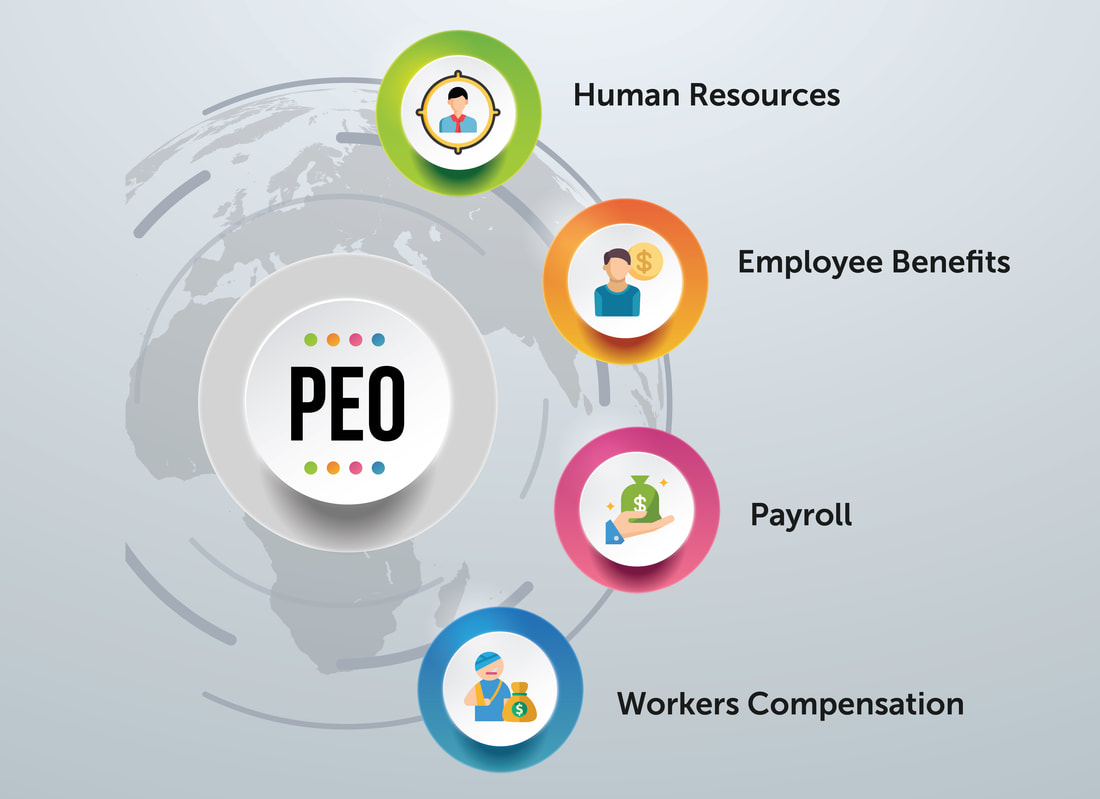



In the dynamic world of business, staying competitive means finding innovative solutions to streamline operations and enhance productivity. One such solution gaining momentum is partnering with a Professional Employer Organization (PEOs) broker. PEOs brokers implement streamlined HR processes and workflows, reducing administrative burdens and improving overall operational efficiency. PEOs brokers leverage advanced HR technologies and automation tools to streamline tasks, eliminate manual processes, and increase productivity. Embrace the benefits of a Professional Employer Organization (PEOs) Broker and witness the transformative impact on your organization’s HR practices and overall performance. Maximize your potential and gain a competitive edge in the market by partnering with a PEOs broker today. 1. Cost Savings By collaborating with a PEOs broker, businesses can experience significant cost savings. Engaging a Professional Employer Organization (PEOs) broker brings a multitude of benefits, such as risk mitigation, scalability, and enhanced employee experience. By entrusting HR functions to experts, businesses can navigate compliance challenges. Adapt to changing demands, and cultivate a positive work environment. Embrace the advantages of a PEOs broker and position your organization for long-term success and growth. Maximize your potential and embark on a transformative HR journey today. Improved Buying Power and Negotiations PEOs brokers possess extensive market knowledge and leverage. Their collective buying power to secure cost-effective employee benefit plans, insurance coverage, and other essential services. Partnering with a PEOs broker allows businesses to provide comprehensive and competitive employee benefits packages. Reduced Administrative Burden Outsourcing HR functions to a PEOs broker allows businesses to save on overhead costs associated with maintaining an in-house HR team, enabling them to allocate resources more efficiently. PEOs brokers leverage their purchasing power to negotiate affordable employee benefits options, ensuring businesses can offer attractive packages. 2. Streamlined HR Processes Partnering with a PEOs broker simplifies and streamlines HR operations, resulting in enhanced efficiency and productivity. Hiring a Professional Employer Organization (PEOs) broker brings numerous benefits, including peace of mind, access to resources, and compliance with employment regulations. Their expertise and support, businesses can alleviate stress, enhance their employer brand, and focus on core competencies. By leveraging the advantages of a PEOs broker, organizations can unlock their full potential and thrive in today’s competitive business landscape. Embrace the strategic partnership and experience the transformative impact it can have on your business’s success. Expertise in HR Compliance PEOs brokers stay up-to-date with ever-evolving employment laws, regulations, and compliance requirements, ensuring your business remains in full compliance. PEOs brokers provide access to a wide array of employee benefits, including healthcare, retirement plans, and wellness programs, catering to diverse employee needs. Efficient Payroll and Benefits Administration PEOs brokers handle complex payroll tasks, including tax filings, benefits administration, and employee onboarding, allowing businesses to focus on core operations and strategic growth. By outsourcing HR functions to a PEOs broker, businesses can prioritize strategic growth initiatives. 3. Access to Specialized HR Support PEOs brokers provide access to a team of HR professionals who offer expert guidance on a wide range of HR matters. As PEOs brokers offer valuable expertise and strategic insights that can help businesses make informed decisions and drive success. Our PEOs brokers utilize data analytics to provide actionable insights and reports, enabling businesses to make data-driven HR and operational decisions. By enlisting the services of a PEOs broker, businesses can experience peace of mind and reduced stress related to HR management. Employee Relations and Conflict Resolution With their experience in handling employee-related issues, PEOs brokers can help mediate conflicts, ensuring a positive work environment. PEOs brokers handle HR tasks, allowing businesses to allocate resources and efforts toward expanding operations and seizing growth opportunities. PEOs brokers possess knowledge of industry-specific compliance requirements, ensuring businesses stay compliant with regulations specific to their sector. Talent Acquisition and Training PEOs brokers assist in attracting top talent, managing recruitment processes, and providing training programs, allowing businesses to build a skilled workforce. PEOs brokers assist in long-term planning, including talent management and succession planning, ensuring continuity and sustainability. 4. Focus on Core Business Objectives By outsourcing HR functions to a PEOs broker, businesses can redirect their energy and resources towards core business objectives and strategic initiatives. PEOs brokers have the knowledge and experience to navigate complex HR challenges, allowing business owners to focus on their core competencies. PEOs brokers proactively identify and address potential HR risks, minimizing the chances of legal disputes and reputational damage. Partnering with a PEOs broker grants businesses access to a vast network of resources and industry connections. Enhanced Time Management Delegating HR tasks to a PEOs broker frees up valuable time for business owners and managers to concentrate on critical areas of their operations. Engaging a Professional Employer Organization (PEOs) broker Workers Compensation Insurance yields a plethora of benefits, from improved employee relations and enhanced benefits to strategic focus and long-term planning. 5. Risk Mitigation and Compliance Collaborating with a PEOs broker helps mitigate risks associated with HR compliance and regulatory issues. PEOs brokers often have established partnerships with vendors, allowing businesses to access exclusive discounts on essential services and supplies. PEOs brokers provide valuable benchmarking data and insights into industry best practices, enabling businesses to stay competitive and optimize their HR strategies. Comprehensive Compliance Management PEOs brokers navigate complex employment laws and regulations, ensuring businesses adhere to all legal requirements, and minimizing the risk of penalties and lawsuits. By harnessing the expertise and support of a PEOs broker, businesses can create a thriving work environment, attract top talent, and position themselves for sustained growth. Embrace the advantages of a PEOs broker today and unlock the full potential of your organization. Employee Handbook Development PEOs brokers assist in creating and updating employee handbooks, clearly outlining policies and procedures, and fostering a compliant and harmonious work environment. Experience the transformative impact on your HR practices and overall business success. PEOs brokers provide market intelligence, allowing businesses to stay informed about industry trends and benchmark their performance against competitors. 6. Scalability and Flexibility PEOs brokers assist businesses in ensuring compliance with local, state, and federal employment
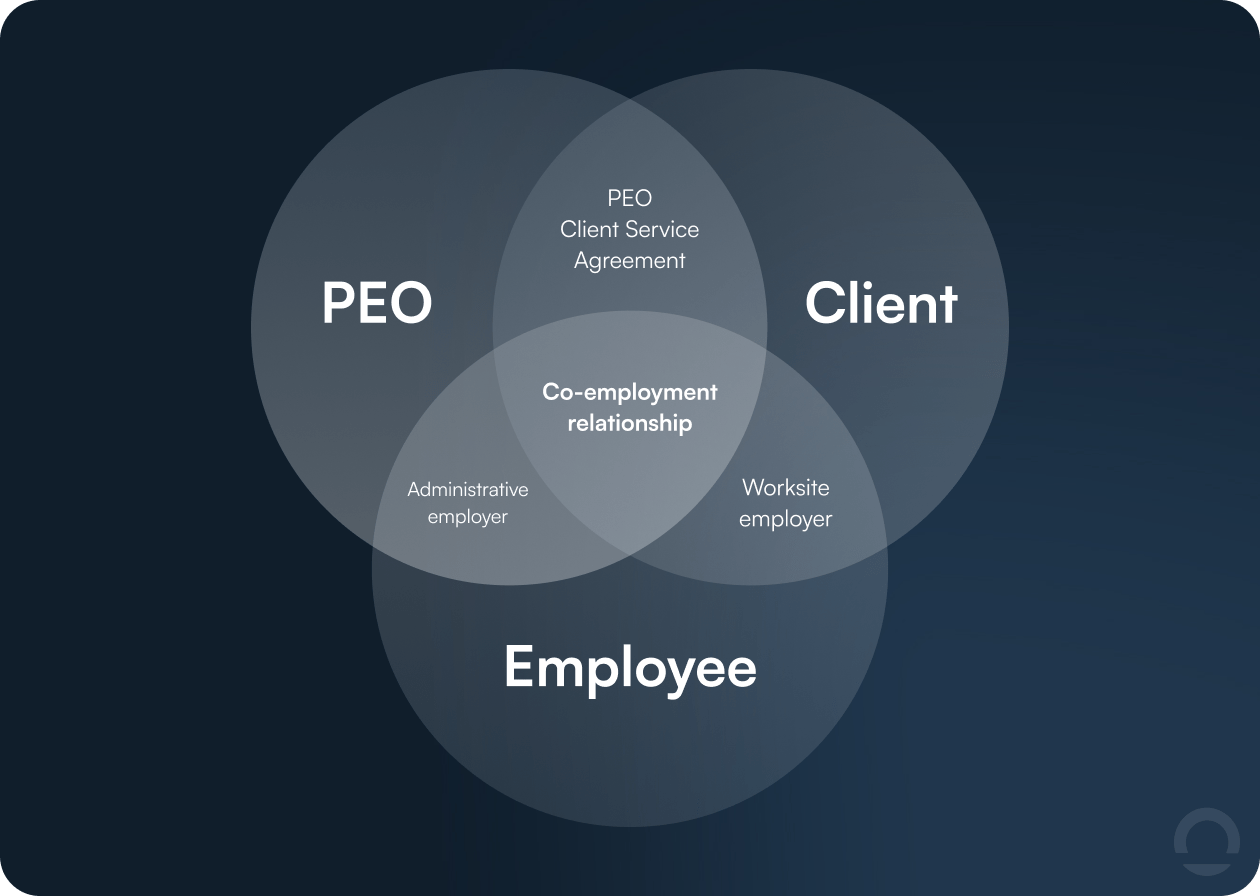
Professional Employer Organizations (PEOs) play a vital role in ensuring staffing agencies by providing comprehensive HR solutions, risk management strategies, and compliance support. Partnering with a PEO allows staffing agencies to mitigate risks, ensure compliance with employment laws, and optimize their operations. By embracing a secure future with PEOs, staffing agencies can achieve scalability, access employee benefits, navigate complex tax and labor laws, and focus on their core competencies. Ultimately, this partnership strengthens the agency’s position in the market, increases profitability, and paves the way for long-term success in the dynamic staffing industry. The Importance of Insuring Staffing Agencies As staffing agencies navigate the dynamic and competitive landscape of the employment industry, it becomes crucial for them to address the unique challenges associated with insuring their operations. By working with professional Employer Organizations (PEOs) can focus on their core business activities while leaving HR functions to the experts. If you are a staffing agency looking to streamline your HR functions and improve your overall business operations, it may be worth considering partnering with PEOs. Section 1: Understanding the Role of PEOs Professional Employer Organizations (PEOs) play a vital role in ensuring Workers comp for staffing agencies, mitigating risks, and ensuring compliance. By partnering with a PEO can access a wide range of benefits, including comprehensive insurance coverage, expert risk management, and compliance support. The Role of Professional Employer Organizations (PEOs) With the support of a trusted PEO can navigate the complex landscape of insuring their operations and achieve long-term growth and profitability. 1.1 What is a Professional Employer Organization? A Professional Employer Organization (PEO) is a specialized entity that provides comprehensive HR solutions to businesses, including staffing agencies. PEOs act as co-employer, sharing employer responsibilities with the staffing agency. This arrangement allows PEOs to assume certain liabilities related to payroll, benefits administration, and HR management, while the staffing agency maintains control over day-to-day operations. 1.2 How PEOs Can Help Staffing Agencies PEOs offer a range of services that are specifically designed to support staffing agencies in managing their unique insurance needs. By leveraging the expertise of PEOs can access various insurance programs, risk management strategies, and compliance solutions. PEOs work closely with staffing agencies to tailor insurance packages that protect against liability, streamline administrative tasks, and foster a safe working environment for temporary employees. Section 2: Mitigating Risk Through PEO Partnerships Staffing agencies should regularly evaluate the performance of their PEO partnerships. Assessing the effectiveness of insurance coverage, risk management strategies, compliance support, and overall service quality helps identify areas of improvement and ensures that the partnership continues to align with the agency’s evolving needs. 2. Mitigating Risk Through PEO Partnerships Effective collaboration and communication between the staffing agency and the PEO are crucial for a successful partnership. Both parties should work closely together to define goals, outline expectations, and ensure seamless integration of services. Regular meetings and open lines of communication foster a strong relationship and allow for timely adjustments when necessary. 2.1 Workers’ Compensation Insurance Workers’ compensation claims are a major concern for staffing agencies, given the nature of their business. PEOs offer access to comprehensive workers’ compensation insurance plans, ensuring that staffing agencies can provide coverage to their temporary employees. By pooling resources and spreading the risk across multiple clients, PEOs can negotiate favorable rates, manage claims efficiently, and ultimately reduce insurance costs for staffing agencies. 2.2 Employment Practices Liability Insurance (EPLI) PEOs face the risk of potential lawsuits stemming from allegations of wrongful termination, discrimination, or harassment. PEOs provide access to EPLI policies that safeguard staffing agencies against such claims. With their expertise in risk management and HR compliance, PEOs help develop robust employment practices, establish proper documentation, and navigate complex legal frameworks. 2.3 General Liability Insurance PEOs also offer general liability insurance coverage that protects staffing agencies from third-party claims related to property damage, bodily injury, or personal injury. This coverage is particularly vital for agencies that place temporary employees in client organizations, as it helps mitigate the financial impact of potential legal disputes or accidents occurring at client worksites. Section 3: Ensuring Compliance and Streamlined Operations When selecting a PEO should consider factors such as industry experience, reputation, and the specific services offered. It’s essential to find a PEO that understands the staffing industry’s unique needs and can provide tailored solutions to address them effectively. PEOs can maximize their success by forging strong partnerships with PEOs. 3. Ensuring Compliance and Streamlined Operations Whether the agency is experiencing rapid growth or downsizing, PEOs can provide the necessary support and resources to manage fluctuating workforce requirements effectively. 3.1 HR Administration and Payroll PEOs take on the responsibility of managing HR administration and payroll processing for staffing agencies. By partnering with a PEO can offload time-consuming tasks such as payroll calculations, tax filings, and benefits administration. This not only ensures accurate and timely payments to temporary employees but also helps staffing agencies maintain compliance with employment laws and regulations. 3.2 Risk Management and Safety Programs Professional Employer Organizations (PEOs) play a vital role in ensuring staffing agencies by providing comprehensive HR solutions, risk management strategies, and compliance support. Partnering with a PEO allows staffing agencies to mitigate risks, ensure compliance with employment laws, and optimize their operations. PEOs assist staffing agencies in implementing robust risk management and safety programs. 3.3 Compliance Support Staying compliant with ever-changing employment laws and regulations is a challenging task for staffing agencies. PEOs stay up-to-date with legal requirements and provide guidance to ensure PEOs adhere to them. From employee classification and minimum wage regulations to anti-discrimination laws and healthcare compliance, PEOs offer valuable expertise and support to keep staffing agencies in compliance and mitigate legal risks. Section 4: The Advantages of PEO Partnerships One significant advantage of PEO partnerships is the access to comprehensive employee benefits packages. By embracing a secure future with PEOs can achieve scalability, access employee benefits, navigate complex tax and labor laws, and focus on their core competencies. Ultimately, this partnership strengthens the agency’s position in the

A positive workplace environment is essential for both employee well-being and business success. Good workplace morale can Reduce Worker’s Compensation Claims by promoting safety, and recovery, and reducing stress. A positive workplace environment can also increase employee engagement and improve communication, ultimately leading to a safer and more productive workplace. Maintaining good workplace morale can have a positive impact on Reduces Worker’s Compensation Claims. Strengthening Teamwork and Communication Positive workplace morale fosters strong teamwork and effective communication among employees. A positive and healthy workplace culture can help reduce the number of Reduces Worker’s Compensation Claims your business receives. In this blog, we will explore how good workplace morale can reduce workers comp claims. Good workplace morale can encourage safety in several ways. When employees feel valued and respected, they are more likely to take safety seriously and follow safety protocols. Worker’s Compensation Claims can lead to a culture of safety in the workplace, where employees feel comfortable reporting hazards, near misses, and injuries. Positive Impacts on Organizations In a workplace with good morale, employees may also be more likely to look out for one another’s safety. Worker’s Compensation Insurance may be more likely to offer help or advice to their colleagues or to raise concerns if they see someone engaging in unsafe behavior. One of the main ways in which good workplace morale can reduce workers’ compensation claims is by encouraging safety. When employees feel valued and respected by their employer, Worker’s Compensation is more likely to take safety seriously and follow safety protocols. When employees feel comfortable reporting safety issues, Worker’s Compensation helps identify potential hazards before they lead to accidents and injuries. How Good Workplace Morale Benefits Organizations Beyond the individual benefits to employees, good workplace morale has several positive effects on organizations as well. By prioritizing and cultivating a positive work environment, employers can reap the following advantages: 1. Reduced Financial Burden A workplace with high morale experiences fewer workplace accidents and injuries, resulting in a decrease in workers’ compensation claims. This reduction in claims leads to lower insurance premiums and related costs for the organization, alleviating financial burdens and allowing for resource allocation to other critical areas. 2. Improved Employee Retention and Recruitment Organizations that prioritize workplace morale create a desirable work environment that attracts and retains top talent. Positive word-of-mouth spreads, attracting high-quality candidates who seek supportive and engaging workplaces. Furthermore, existing employees are more likely to stay loyal to the organization, reducing turnover rates and associated costs. Cultivating Positive Workplace Morale: A Win-Win Situation They are more likely to report hazards, near misses, and injuries, Worker’s Compensation helps create a culture of safety in the workplace. When employees feel comfortable reporting safety issues, Worker’s Compensation helps identify potential hazards before they lead to accidents and injuries. Investing in Good Workplace Morale Reduce Workers Compensation Claims yields numerous benefits, including a significant reduction in workers’ compensation claims. Good workplace morale can improve communication between employees and management, which can lead to a safer and more productive workplace. Worker’s Compensation Communication is essential for identifying potential safety hazards and addressing them before they lead to accidents and injuries. To cultivate positive workplace morale, organizations can implement various strategies: Employees who feel valued and respected are more likely to take ownership of their work environment and make suggestions for improving safety protocols. Worker’s Compensation is more likely to be proactive in identifying potential safety hazards and taking steps to mitigate them. A supportive work environment can make a big difference in an injured employee’s recovery and return to work. Promote open and transparent communication channels: Encourage employees to express their ideas, concerns, and suggestions. Actively listen to their feedback and address their needs promptly. Good Workplace Morale Can Reduce Stress in the workplace, which can lead to a safer and more productive workplace. Recognize and appreciate employee contributions: Regularly acknowledge and reward employees for their hard work, achievements, and positive contributions to the workplace. This recognition boosts morale and motivates employees to continue performing at their best. Foster a sense of community and belonging: Create opportunities for team-building activities, social events, and cross-department collaborations. Encourage employees to develop strong relationships with their colleagues, which can foster a supportive and inclusive work culture. Implementing Effective Strategies for Workplace Morale Improvement Good workplace morale can Worker’s Compensation Claims also promote work-life balance, which can reduce stress by allowing employees to have time for personal and family responsibilities. To ensure the success of workplace morale improvement initiatives, organizations can adopt the following strategies: Leadership Support and Role Modeling: Leaders must actively participate in fostering a positive work environment. They should lead by example, demonstrating respect, open communication, and appreciation for their employees. When leaders prioritize workplace morale, it sets the tone for the entire organization. Employee Feedback and Inclusion: Regularly seek feedback from employees through surveys, suggestion boxes, or anonymous feedback mechanisms. Actively involve employees in decision-making processes and consider their input when implementing changes. This inclusion empowers employees and makes them feel valued. Equipping employees with the necessary tools contributes to a harmonious and supportive work environment. Workload Management: Ensure that workloads are manageable and realistic, avoiding excessive pressure or burnout. Promote a healthy work-life balance by encouraging employees to take breaks, use vacation time, and prioritize self-care. Implementing workload management strategies reduces stress and supports overall well-being. Recognition and Rewards: Establish a formal recognition program that celebrates employee achievements, milestones, and exceptional performance. Recognize efforts publicly, either through company-wide announcements, newsletters, or team meetings. Offering rewards, such as incentives, bonuses, or additional time off, also reinforces positive behaviors and boosts morale. These activities foster a positive work culture and improve teamwork. Good Workplace Morale is Essential for Reducing Workers’ Compensation claims and promoting a safe and productive workplace. Good workplace morale can encourage safety, promote recovery, reduce stress, increase engagement, and improve communication. Worker’s Compensation Claims are important for employers to create a positive work environment where employees feel valued and respected, and where safety is a

Section 1: The Importance of Farmers Workers Compensation Farmers workers compensation is a crucial safety net for individuals employed in agriculture. Farmers workers compensation is a crucial safety net for individuals employed in agriculture. Successfully navigating the farmers workers compensation claims process is essential to obtain the benefits you need. Prompt reporting is crucial to establish a clear connection between the injury and your work. Failure to report the injury within the specified timeframe may result in the denial of your claim. Next, seek medical attention from an authorized healthcare provider. After seeking medical attention, fill out the necessary claim forms accurately and provide all requested information. Include details about the incident, the nature of your injury, and any witnesses present. Keep copies of all documents and correspondence related to your claim. Witness statements can significantly strengthen your claim. Section 2: Navigating the Claims Process To maximize your benefits, it’s vital to navigate the farmers workers compensation claims process efficiently. This involves understanding the required steps and gathering the necessary documentation promptly. Successfully navigating the farmers workers compensation claims process is essential to obtain the benefits you need. Regularly update them on your medical treatment, progress, and any changes in your condition. This collaboration ensures that your claim progresses smoothly and that your benefits are processed in a timely manner. Obtaining prompt medical attention after an injury is crucial for your well-being and the validity of your claim. Inform your supervisor and employer immediately about the incident, ensuring that it is documented accurately. This information will be documented in your medical records and can strengthen your claim. Maintaining open communication with your employer and insurance provider is crucial throughout the claims process. Section 3: Documenting Your Injury When filing a claim, comprehensive documentation of your work-related injury is paramount.Timely action is crucial when it comes to filing a claim for farmers workers compensation. As soon as an injury occurs, seek medical attention, report the incident to your employer, and begin the documentation process. Prompt reporting and accurate records will strengthen your case and expedite the claims process. Familiarize yourself with the different types of benefits available under farmers workers compensation and the eligibility criteria for each. Temporary disability benefits provide wage replacement for the period when you are unable. It is also important to stay informed about your rights and entitlements under farmers workers compensation. Understand the calculation methods used to determine benefit amounts and durations. Seek assistance from your claims adjuster or workers’ compensation representative to ensure that you are receiving all the benefits you are entitled to. Respond promptly to any inquiries from your employer or insurance provider. Cooperate with any evaluations or assessments requested by the insurance company, such as independent medical examinations. Section 4: Seeking Medical Attention and Reporting the Incident Obtaining prompt medical attention after an injury is crucial for your well-being and claim validity. Inform your supervisor and employer immediately, ensuring the incident is documented accurately.Remember, your well-being and financial stability depend on taking the necessary steps to protect your rights and navigate the workers’ compensation system successfully. In complex cases or when facing challenges in the claims process, seeking legal assistance can be beneficial. An experienced Farmers Workers Compensation attorney who specializes in farmers workers compensation can guide you through the appeals process, protect your rights, and advocate for your best interests. They can help gather additional evidence, prepare your case, and represent you during hearings or negotiations. Section 5: Working with Your Employer and Insurance Provider Maintaining open communication with your employer and insurance provider is essential throughout the process. Report any changes in your condition and provide requested information promptly to facilitate a smooth claims experience. Maintaining open and clear communication with your employer and insurance provider is critical throughout the claims process. By staying proactive and organized, you can help ensure that your claim progresses smoothly. Permanent disability benefits may be available if your injury results in a permanent impairment that affects your ability to perform your job. Medical treatment benefits cover the costs of necessary medical care related to your work-related injury. The benefits provided by farmers’ worker’s comp can have a significant impact on the lives of injured farm workers and their families. In this article, we will explore some of the benefits of farmers’ worker’s comp. In addition to providing financial and medical benefits to injured workers, farmers workers comp can also have preventative benefits. By providing financial incentives for employers to maintain safe working conditions and encourage safe work practices, workers’ compensation insurance can help reduce the likelihood of work-related injuries and illnesses. Section 6: Maximizing Benefit Payments To ensure you receive the maximum benefit payments, comply with all requirements and deadlines. Seek assistance from your claims adjuster to understand available benefits and explore potential supplemental income opportunities. Be proactive in providing any requested information or documentation promptly, ensuring that your claim is processed without unnecessary delays. They will ensure that you present a strong case and help you navigate any complexities that may arise. Understanding the different types of benefits available, complying with requirements, and maximizing benefit payments are key steps in securing your future with farmers workers compensation. If needed, don’t hesitate to seek legal assistance to navigate appeals or complex situations. Remember, farmers workers compensation is designed to provide support and compensation for work-related injuries, ensuring your well-being and financial security as an agricultural worker. Section 7: Appeals and Legal Assistance Be proactive in providing any requested information or documentation promptly, ensuring that your claim is processed without unnecessary delays. Obtaining benefits from farmers workers compensation is a process that requires knowledge, diligence, and effective communication. Obtaining benefits from farmers workers compensation is crucial for agricultural workers who experience work-related injuries or illnesses. By understanding the claims process, documenting your injury accurately, seeking prompt medical attention, and maintaining open communication with your employer and insurance provider, you can increase your chances of receiving the benefits you deserve. The benefits provided by farmers’

Janitorial workers play a vital role in maintaining cleanliness and hygiene in various establishments. Their demanding job responsibilities expose them to potential risks and injuries. In such instances, janitorial workers compensation insurance becomes a crucial safety net, providing financial protection and support. Janitorial workers face potential risks and injuries while performing their crucial roles. Workers Compensation for Janitorial provides essential protection, offering financial security, medical coverage, and legal support. In this article, we explore the benefits of Workers Compensation for Janitorial, highlighting its significance in safeguarding the well-being of these vital workers. Financial Protection and Medical Coverage Workers Compensation for Janitorial offers essential financial protection by providing coverage for medical expenses, including treatments, medications, and hospitalization. This coverage relieves the burden of medical costs, ensuring that injured workers receive necessary care without undue financial strain. By covering lost wages during recovery, this insurance helps maintain stability and prevents additional hardships. Janitorial Workers Compensation Insurance can be physically demanding, requiring workers to perform tasks such as lifting heavy objects, operating machinery, and cleaning at various heights. These job duties can put janitorial workers at risk for accidents and injuries, making workers’ compensation insurance essential for their protection. Compensation for Work-Related Injuries In the event of work-related injuries, Workers Compensation for Janitorial ensures that injured workers receive compensation for their physical and emotional suffering. The insurance covers lost wages during the recovery period, providing financial support and relieving the stress of income loss. This compensation helps workers focus on healing, rehabilitation, and returning to their duties with confidence. Janitorial workers compensation insurance can also offer legal protection to businesses. It can help to cover legal fees associated with any claims or lawsuits that may arise due to an employee’s injury or illness. Workers Compensation for Janitorial can provide security to employees. Workers Compensation for Janitorial can also help to reduce overall costs for businesses. Janitorial Workers Compensation Insurance covers a wide range of expenses related to workplace injuries and illnesses. Occupational Hazard Protection Janitorial work often involves exposure to various occupational hazards, including slips and falls, chemical exposures, and repetitive motion injuries. Workers Compensation for Janitorial mitigates the risks associated with these hazards by providing preventive measures, safety training programs, and support to minimize accidents and injuries. This proactive approach protects the well-being of janitorial workers and enhances workplace safety. Janitorial workers need workers’ compensation insurance for their protection in case of accidents and injuries on the job. It is also a legal requirement for most employers and can provide peace of mind, improve workplace safety, and protect the worker’s dependents in the event of a fatal accident. Janitorial Workers Compensation Insurance provides a variety of benefits to businesses and employees. Legal Coverage and Conflict Resolution Janitorial workers compensation insurance offers legal protection for both employees and employers. In case of disputes or conflicts arising from workplace injuries, this insurance provides a framework for efficient conflict resolution. It ensures that legal processes are followed, protecting the rights of injured workers and helping employers manage claims effectively. Employee Morale and Retention By offering Workers Compensation for Janitorial, employers demonstrate their commitment to the well-being and safety of their workforce. This provision enhances employee morale, fosters loyalty, and promotes job satisfaction. Janitorial workers are more likely to remain with an employer who prioritizes their welfare, contributing to reduced turnover and maintaining a skilled and experienced workforce. Discover the importance of Workers Compensation for Janitorial in protecting the well-being of essential cleaners. Learn about its benefits, including financial security, medical coverage, and legal protection. Improved Productivity and Efficiency Janitorial workers compensation insurance plays a vital role in maintaining a productive and efficient work environment. By ensuring that injured workers receive proper care and compensation, this insurance promotes faster recovery and reduces absenteeism. Employees feel valued and supported, leading to increased job satisfaction and enhanced productivity within the organization. Embracing the Benefits of Janitorial Workers Compensation Insurance Janitorial workers compensation insurance offers a wide range of benefits that contribute to the overall well-being of these essential workers. By understanding and embracing these advantages, employers can create a safer, more supportive work environment. Let’s delve deeper into the specific benefits provided by Workers Compensation for Janitorial: Financial Security and Medical Coverage: With Workers Compensation for Janitorial, injured workers receive financial protection and comprehensive medical coverage. This insurance covers medical expenses, including treatments, medications, and hospitalization, relieving the burden of healthcare costs. By ensuring access to quality medical care, it facilitates a speedy recovery process. Occupational Hazard Protection: Janitorial work involves exposure to a range of occupational hazards, such as slippery surfaces, hazardous chemicals, and heavy equipment. Workers Compensation for Janitorial addresses these risks by implementing preventive measures and safety training programs. By proactively minimizing accidents and injuries, insurance helps create a safer work environment for janitorial workers. Legal Protection and Conflict Resolution: In the event of conflicts or disputes arising from workplace injuries, Workers Compensation for Janitorial offers legal protection and a framework for efficient conflict resolution. It ensures that the rights of injured workers are upheld while assisting employers in managing claims effectively. This legal coverage provides clarity and transparency throughout the claims process. Employee Morale and Retention: Providing Workers Compensation for Janitorial demonstrates a genuine concern for the welfare of employees. Janitorial Workers Compensation Insurance provides a safety net by covering medical expenses and compensating lost wages, guaranteeing financial security for injured workers. Janitorial Workers Compensation Insurance ensures that injured janitors receive the necessary medical treatments, medications, and rehabilitation to facilitate their recovery. Conclusion Janitorial workers face numerous risks and hazards while performing their crucial duties. Workers Compensation for Janitorial serves as a vital safety net, offering financial protection, medical coverage, and legal support for injured workers. This article explores the significance of Janitorial Workers Compensation Insurance in ensuring the well-being of these essential cleaners. This insurance protects employers from legal disputes, ensuring compliance with workers’ compensation laws and providing a framework for conflict resolution. Janitorial Workers Compensation encourages employers to implement safety measures

The Significance of Construction Workers Compensation Construction sites are known for their dynamic nature, involving numerous risks and hazards. From towering structures to intricate infrastructure projects, the construction industry plays a pivotal role in shaping our society. However, the physical demands and dangers inherent in this line of work underscore the importance of construction workers compensation. This article highlights the essential role of worker compensation, outlining its benefits and emphasizing the legal obligations associated with ensuring the well-being of construction workers. 1. Protecting Workers’ Health and Financial Security Construction workers compensation face a multitude of risks daily, ranging from falls and heavy machinery accidents to exposure to hazardous substances. In the event of an injury or illness, workers’ compensation provides crucial support by covering medical expenses, rehabilitation costs, and lost wages. By facilitating timely access to medical care and financial aid, workers’ compensation safeguards workers’ health and ensures their economic stability during the recovery period. 2. Legal Obligations and Compliance The importance of construction workers compensation extends beyond moral responsibility; it is a legal obligation that employers must fulfill. To implement an effective workers’ compensation program, construction companies should conduct comprehensive risk assessments, provide thorough safety training, establish clear communication channels, ensure prompt access to medical care, conduct regular inspections, secure adequate insurance coverage, and maintain a transparent claims process. Continuous evaluation and improvement of the program are also essential to adapt to evolving industry standards and ensure ongoing compliance. 3. Enhancing Employee Morale and Retention A robust Construction workers compensation program significantly contributes to employee morale and job satisfaction. By providing comprehensive compensation packages that include insurance coverage, companies can attract skilled workers and reduce turnover rates. A robust workers’ compensation program not only safeguards workers’ health but also enhances employee morale, promotes safety practices, and contributes to the overall strength of the construction industry. It attracts skilled workers, reduces turnover rates, and ultimately leads to improved productivity and project outcomes. Implementing Effective Construction Workers Compensation Programs By leveraging technology, such as digital platforms and IoT devices, employers can streamline processes and improve safety monitoring. Prioritizing mental health support, promoting collaboration and data sharing, and implementing inclusive and diverse programs will further strengthen workers’ compensation initiatives. 1. Comprehensive Risk Assessment Begin by conducting a thorough assessment of potential hazards and risks specific to the construction site. Identify potential sources of accidents, injuries, and illnesses. This assessment will help in developing targeted safety protocols and measures to mitigate risks. Recognizing the importance of mental health, future Construction workers compensation programs should include comprehensive support for construction workers’ psychological well-being. 2. Safety Training and Education Invest in comprehensive safety training programs for all construction workers. As the construction industry evolves and embraces new technologies and practices, the future of construction workers’ compensation holds great potential for further improvements. Construction workers compensation companies, insurance providers, and industry associations should collaborate and share data to identify trends, best practices, and emerging risks. By pooling resources and knowledge, stakeholders can proactively address safety concerns and develop targeted strategies to prevent accidents and injuries. This collaborative approach can lead to industry-wide improvements in workers’ compensation programs. 3. Clear Communication and Reporting Systems Establish effective communication channels to encourage workers to report hazards, accidents, and near-misses promptly. Create a culture where open communication is valued and workers feel comfortable reporting any concerns. Implement a system for incident reporting, investigation, and analysis to identify root causes and prevent future occurrences. Ongoing education and training programs are essential for keeping Construction workers compensation up-to-date with the latest safety practices and regulations. Workers should receive regular training on new technologies, hazard recognition, and risk prevention. Additionally, supervisors and managers should receive training on effectively implementing and enforcing safety protocols to create a culture of safety throughout the organization. 4. Prompt Medical Care and Rehabilitation Ensure immediate access to medical care for injured workers. Partner with healthcare providers experienced in occupational health to provide timely and appropriate treatment. Develop a structured rehabilitation program to aid workers’ recovery and facilitate their return to work. Efficient return-to-work programs play a crucial role in helping injured workers reintegrate into their roles after recovery. Future workers compensation programs should focus on providing vocational training, modified work assignments, and transitional support to facilitate a smooth transition back to the workforce. This approach benefits both workers and employers by reducing downtime and maintaining a skilled workforce. яндекс 5. Regular Safety Inspections and Audits Conduct routine safety inspections to identify potential hazards and ensure compliance with safety regulations. Regular audits will help assess the effectiveness of safety procedures, identify areas for improvement, and address any non-compliance issues promptly. Future workers compensation programs should recognize the unique needs of diverse workers within the construction industry. Women, minority groups, and immigrant workers often face specific challenges that require tailored support. It is crucial to ensure inclusivity and accessibility in workers’ compensation programs to provide equal protection and support for all workers. 6. Adequate Insurance Coverage Secure sufficient Construction workers compensation coverage that meets legal requirements and adequately protects workers. Consult with insurance professionals who specialize in workers’ compensation to ensure appropriate coverage and understand the specific needs of the construction industry. 7. Transparent Claims Process Establish a streamlined and transparent claims process that guides injured workers through the necessary steps to receive compensation benefits. Provide clear information on the documentation required, timeframes, and any support available to help workers navigate the process. Advocacy efforts should continue to promote policy reforms that strengthen Construction workers compensation laws and regulations. This includes advocating for fair compensation benefits, improving enforcement of safety standards, and holding employers accountable for providing adequate coverage. 8. Continuous Improvement and Evaluation Regularly evaluate the effectiveness of the Construction workers compensation program and identify areas for improvement. Seek feedback from workers, supervisors, and safety professionals to make necessary adjustments and enhancements. Stay updated with industry best practices and regulatory changes to ensure compliance. Ongoing dialogue between industry stakeholders, labor organizations, and government bodies can drive positive change

There are many variations of passages of Lorem Ipsum available, but the majority have suffered alteration in some form, by injected humour, or randomised.